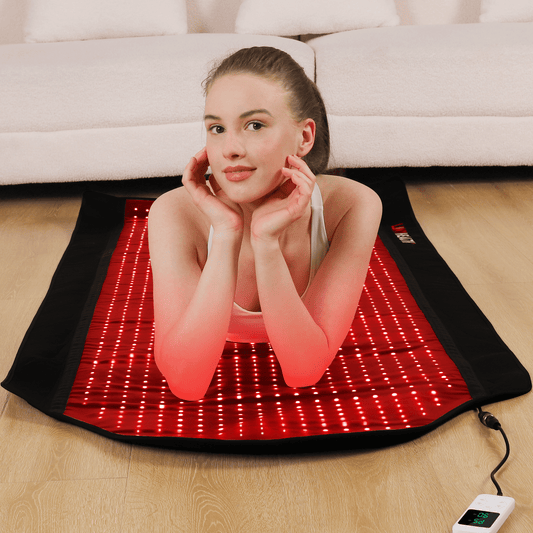
Red Light Therapy for Chronic Pain Management A Natural Alternative to Pain Medication
Discover how red light therapy naturally reduces chronic pain by addressing inflammation and promoting tissue healing, without the risks of pain medication.
Chronic pain affects millions of people worldwide and the traditional approach of pain management through medication comes with significant drawbacks, including dependency risk, side effects and often incomplete relief. Many people searching for alternatives are discovering that red light therapy offers a scientifically-supported, non-invasive approach to addressing pain at its source. Rather than masking symptoms, red light therapy works at the cellular level to reduce inflammation, improve tissue healing and restore normal nerve function, providing lasting relief without pharmaceutical intervention.
The Science Behind Pain Relief Through Red Light
Pain typically involves two interconnected mechanisms ongoing inflammation in damaged tissue and abnormal nerve signaling that amplifies pain perception. Red light therapy addresses both. The wavelengths (660nm and 850nm) penetrate deeply into tissues where inflammation accumulates, stimulating mitochondrial function and increasing ATP production. This energy boost allows cells to complete their repair processes more efficiently, reducing the inflammatory environment that perpetuates pain signals. Simultaneously, improved circulation flushes inflammatory compounds away from damaged areas while delivering oxygen and healing nutrients.
Lumy Health devices are specifically designed to treat larger body areas commonly affected by chronic pain, such as the lower back, knees, shoulders and neck. The therapeutic wavelengths used are identical to those delivered in clinical settings, but with the convenience of at-home application. Research indicates that consistent red light therapy reduces pain by an average of 40-60% within four to eight weeks, which rivals many pharmaceutical interventions without the associated risks.
Treating Common Pain Conditions
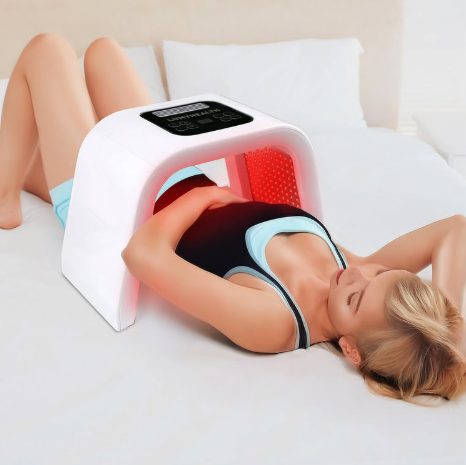
Red light therapy’s effectiveness spans multiple pain conditions. Arthritis patients report substantial relief through reduced joint inflammation and improved cartilage health. Lower back pain, one of the most prevalent chronic pain conditions, responds well because red light penetrates through multiple tissue layers to reach deep muscles and spinal structures. Knee pain from arthritis, sports injuries or general wear and tear improves as inflammatory cytokines decrease and tissue regeneration accelerates. Shoulder pain from rotator cuff issues, frozen shoulder or general stiffness consistently improves with sustained therapy.
Neuropathic pain conditions, where nerve damage causes burning or shooting pain, also benefit significantly. Red light therapy supports nerve regeneration and normalizes aberrant nerve signaling that amplifies pain perception. Lumy Health devices have become popular among people with fibromyalgia, diabetic neuropathy and post-surgery nerve pain. The non-invasive nature makes it suitable for people who cannot tolerate strong medications or have contraindications for pain management drugs.
How Inflammation Drives Pain
- Acute inflammation is protective, but chronic inflammation perpetuates pain signaling and prevents tissue healing.
- Red light therapy reduces pro-inflammatory cytokines while increasing anti-inflammatory compounds naturally.
- Enhanced cellular energy (ATP) accelerates tissue repair, addressing the root cause rather than masking symptoms.
- Improved circulation removes inflammatory markers while delivering healing nutrients to damaged areas.
- Normalized nerve function reduces pain amplification that occurs with sustained inflammation.
Comparing Red Light Therapy to Pain Management Alternatives
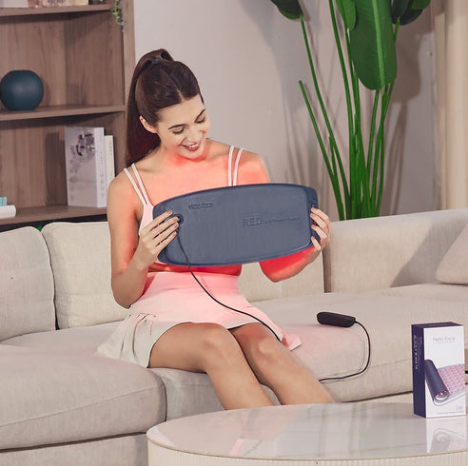
Traditional pain medications like NSAIDs and opioids provide temporary symptom relief but do nothing to address underlying tissue damage or inflammation. Over time, tolerance develops requiring higher doses and dependency risk increases. Physical therapy is helpful but requires consistent effort and can actually increase pain during active rehabilitation. Corticosteroid injections provide temporary relief but repeated use carries risks of tissue damage. Red light therapy stands apart because it actively promotes tissue healing while reducing pain, creating durable improvement rather than temporary suppression.
The advantage becomes clear over weeks and months, many people find they can reduce pain medication use as red light therapy takes effect. Lumy Health devices are particularly valuable for people transitioning away from pain medications or looking to minimize pharmaceutical use. The cumulative effect means initial relief builds over time as tissue continues healing and inflammatory burden decreases.
Treatment Protocols for Optimal Pain Relief
Effective use of red light therapy for chronic pain typically involves daily or near-daily sessions in the early phases. Most people see initial relief within one to two weeks, but significant improvement requires at least four weeks of consistent use. For those with severe or widespread pain, using Lumy Health devices fifteen to twenty minutes daily yields the most dramatic results. As pain improves, frequency can typically be reduced to three to four times weekly for maintenance.
The timing of therapy matters strategically. Many people find that using their device in the evening provides relief that extends into the following day, improving sleep and reducing morning stiffness. Others prefer morning application to start their day with reduced pain. Some combine therapy with stretching or light movement for additive benefit. The flexibility in application makes it easy to integrate into any lifestyle or pain management routine.
Clinical Evidence Supporting Pain Relief Applications
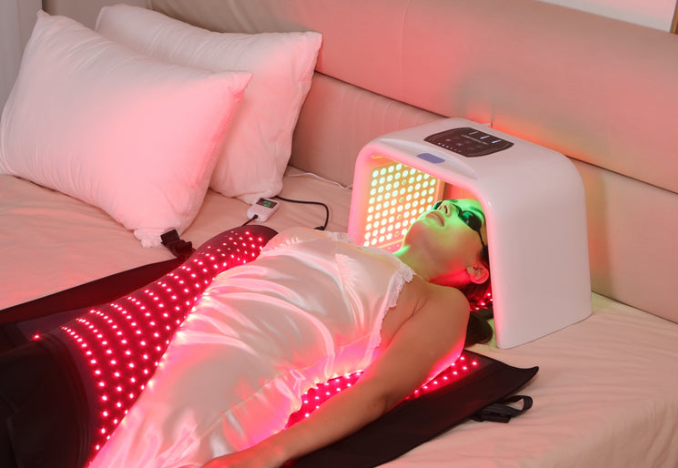
Red light therapy’s effectiveness for pain management is well-documented in peer-reviewed literature. Studies examining lower back pain showed red light therapy reduced pain by approximately 45% within six weeks, matching or exceeding results from physical therapy alone. Research on knee osteoarthritis found consistent improvements in pain scores and functional mobility. Even for fibromyalgia and centralized pain syndromes, where treatment options are notoriously limited, red light therapy showed meaningful benefit in multiple trials.
These results are particularly compelling because they come without the side effect burden of pharmaceutical alternatives. Lumy Health devices deliver the wavelengths studied in these clinical trials, ensuring you’re applying evidence-based technology. The medical-grade quality means consistent output and appropriate intensity, distinguishing these devices from consumer-grade alternatives that may not deliver therapeutic results.
Long-Term Pain Management and Sustained Relief
The most encouraging aspect of red light therapy is its sustainability. Unlike pain medications that require escalating doses and risk dependency or injections with declining effectiveness, red light therapy benefits compound over time. As tissue heals completely and inflammatory burden decreases, pain relief becomes more durable. Many people find they can maintain substantial pain improvement with just two to three weekly sessions after achieving initial relief.
Beyond pain reduction, the improved tissue quality and healing state mean reduced injury risk and enhanced functional capacity. People with pain often become deconditioned, which worsens their overall situation. Red light therapy’s pain relief enables increased movement and activity, creating positive feedback loops where improved function further reduces pain. The 60-day money-back guarantee reflects confidence in generating meaningful pain improvement, allowing you to evaluate this technology without financial risk and experience firsthand how red light therapy transforms chronic pain management.