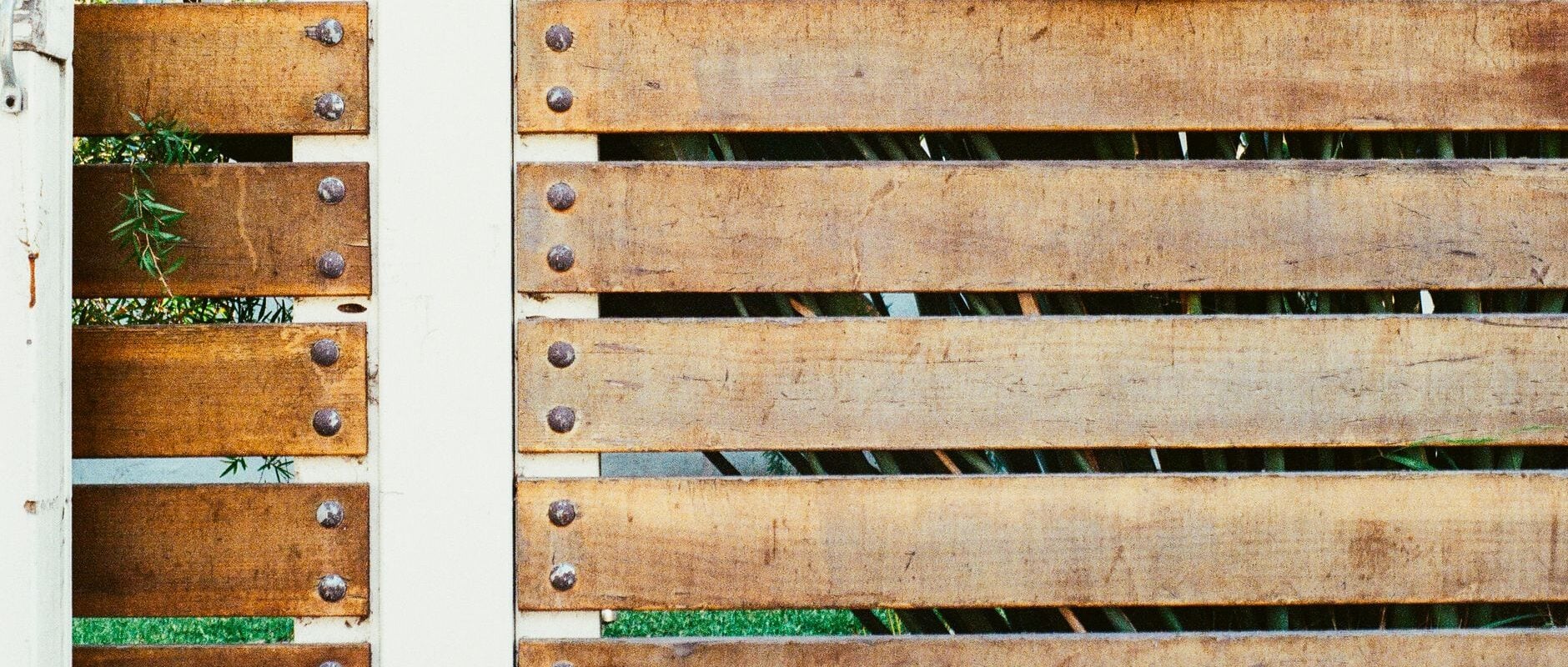
Traditional Timber Fence Panels from Buy Fencing Direct
🌳 Classic garden boundaries made simple, traditional timber fence panels and modern styles together from Buy Fencing Direct.
Garden boundaries often rely on a look that has stood the test of time, and traditional timber fence panels remain a frequent choice for that reason. Buy Fencing Direct stocks a range of timber fencing that spans established panel styles through to more contemporary designs. This article looks at what that range offers, how it holds up over time, and what fitting it actually involves.
Why Panels Remain Popular
Timber gives a garden a recognisable, natural appearance that many other fencing materials do not replicate, and that familiarity has kept traditional timber fence panels in steady demand for a long time. Buy Fencing Direct lists these panels alongside its wider fencing supplies, and the range sits as one of the UK’s leading supplies of fence panels generally, meeting a broad base of fencing needs rather than serving a narrow niche.
Timber fencing of this kind tends to suit a wide range of property styles, from older homes to newer builds. That versatility is one reason traditional panels remain a steady seller within the fencing supplies category generally.
Buy Fencing Direct’s Timber Panel Range
Buy Fencing Direct describes its catalogue as covering a wide variety of fence panels built to suit differing fencing needs, spanning traditional fence panels through to modern and contemporary timber options within the same catalogue. This means a garden owner comparing styles can look at both established and newer panel designs from the same supplier.
The company states that it offers the highest quality timber fencing across its traditional and contemporary lines, and it markets all of them as competitively priced within the same catalogue. Buy Fencing Direct does not present the traditional range as a stripped-down option, but as one strand of a broader timber offering that sits next to its modern designs.
Durability and Maintenance of Timber Fencing
Timber as a fencing material generally requires some ongoing attention to stay in good condition, which is typical of the category rather than specific to any one supplier. Weather exposure, moisture, and ground contact all affect how timber panels age over time. Garden owners considering panels usually factor in periodic treatment or staining as part of ownership.
That said, timber remains a popular boundary material partly because it can be maintained and refreshed rather than simply replaced. A panel that has weathered can often be treated again rather than discarded. This is a general characteristic of timber fencing as a category, and it applies to traditional designs as much as contemporary ones.
Installation Considerations for Timber Panels
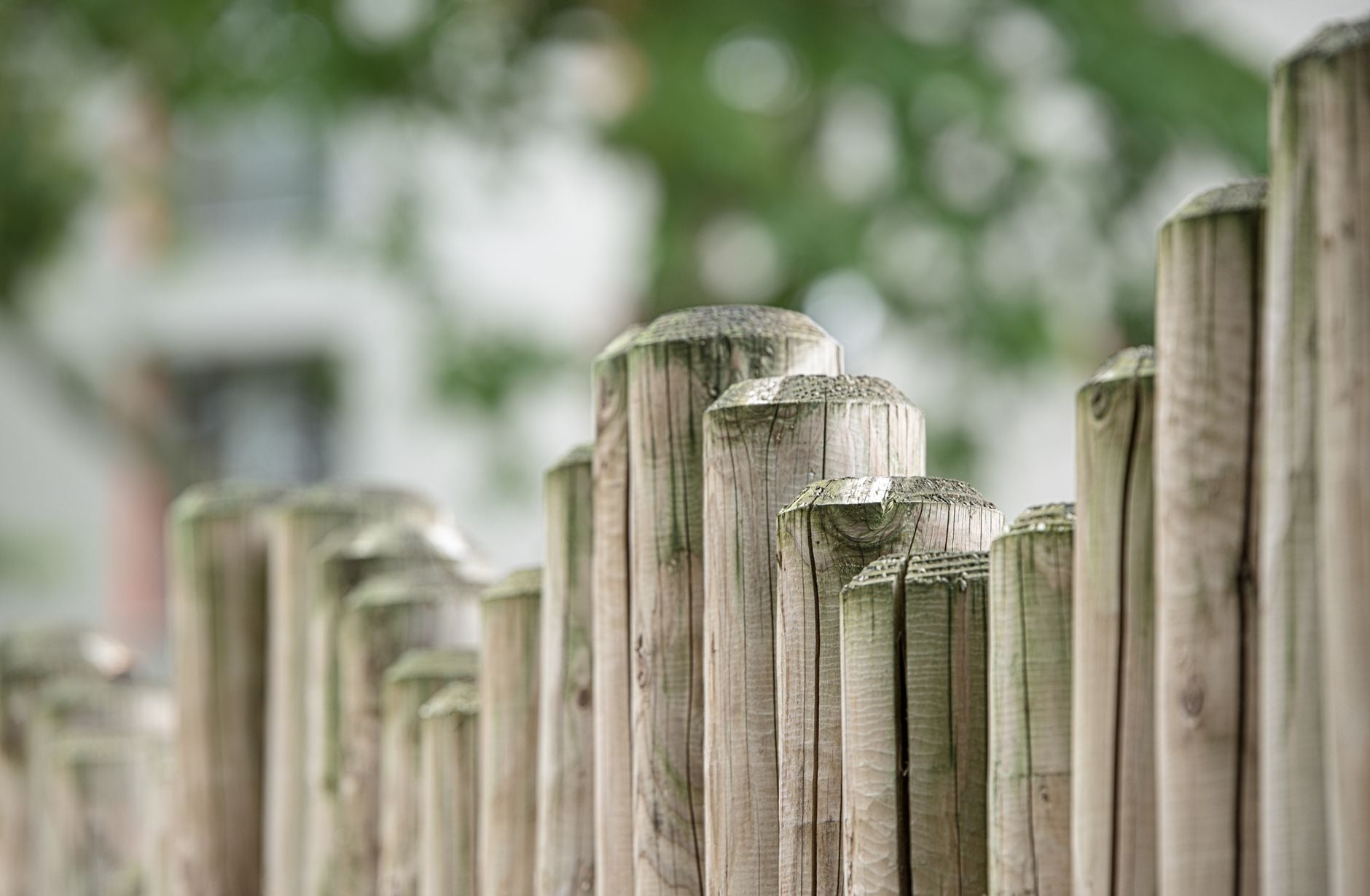
Fitting fence panels involves decisions about posts, spacing, and ground conditions, all of which affect how a finished boundary performs. Traditional timber fence panels are typically installed between fixed posts, with panel dimensions determining how many are needed along a boundary run. Buy Fencing Direct‘s listing of panels alongside its wider fencing supplies suggests a range where posts, panels, and related fittings can be sourced from a single catalogue.
Ground conditions matter too, since uneven or sloped gardens can change how panels sit and how many are required. In addition, access to the garden and the length of the boundary both influence how a fitting job is planned. None of this is unique to one supplier, but it shapes how any purchase of timber panels translates into a finished fence.
Contemporary Alternatives Within the Range
Beyond the traditional lines, the catalogue also includes modern and contemporary fencing styles, giving garden owners a direct comparison point within one supplier rather than a need to shop elsewhere for a more current look. These contemporary panels and the traditional stock sit together in the same listings, which makes side-by-side comparison straightforward and saves a search across separate sections of the site.
Choosing between traditional and contemporary styles often comes down to how a garden is used and how it sits alongside a property’s existing design. Some gardens suit the familiar horizontal or overlap look of traditional timber fence panels, while others are built around cleaner, more modern panel styles. Having both available from the same supplier means that comparison can happen without switching catalogue.
Choosing the Right Timber Fencing Solution
Deciding between traditional and contemporary timber panels usually starts with how a garden is already designed and what boundary look fits it best. The practical factors include panel style, the condition of existing posts, and how much maintenance an owner is prepared to carry out. Given the established look most gardens already have, panels often turn out to be the more direct fit.
Some of the features that make this type of fencing a common choice include:
- Traditional timber fence panels give gardens a recognisable, natural boundary appearance.
- Timber fencing suits a wide range of property styles, from older homes to newer builds.
- Panels can typically be treated or stained again rather than replaced once they have weathered.
- Traditional panels sit alongside contemporary styles within the same catalogue.
- Posts and related fittings are available from the same fencing supplies range, simplifying sourcing.
Whichever direction a garden owner leans, having both styles within one range keeps the comparison straightforward.