ASMAX S1 vs F1s Helmet Intercoms Key Differences for Experienced Riders
🏍️ A clear, specs-first look at how ASMAX's S1 and F1s helmet intercoms actually differ under the hood.
Riders already comfortable with Bluetooth mesh systems often need more than a feature list to pick between two headsets built by the same company. A motorcycle helmet intercoms comparison between the S1 and F1s models shows that the gap is not about one being better than the other. Instead, it comes down to connectivity range, communication modes, and the audio hardware each unit carries. This breakdown focuses on the technical details that matter once the basics of pairing and mesh networking are already understood.
ASMAX Helmet Intercoms: Two Tiers of Mesh Connectivity
ASMAX currently builds its communication lineup around the S1 and the F1s, both positioned as mesh-capable Bluetooth headsets for group riding. Each model supports communication for up to 50 riders, which puts them in the same practical bracket for large group rides or club outings. The difference shows up in how that connectivity is implemented rather than in the maximum rider count itself.
Both units are built around a broader software ecosystem, including OTA firmware updates and the ASMAX World app for configuration. That shared foundation means switching between the two models does not require learning a new control scheme. What changes is the underlying Bluetooth hardware and a handful of audio-related extras, which the next sections cover in detail.
S1 vs F1s: Bluetooth Version and Hardware Differences
The S1 runs on Bluetooth 5.4, while the F1s is built on Bluetooth 5.3. On paper this is a single point-release difference, but it reflects ASMAX positioning the S1 as the newer radio platform within its current catalog. Both headsets still rely on the same mesh-and-Bluetooth hybrid approach for linking multiple riders without manual pairing each time.
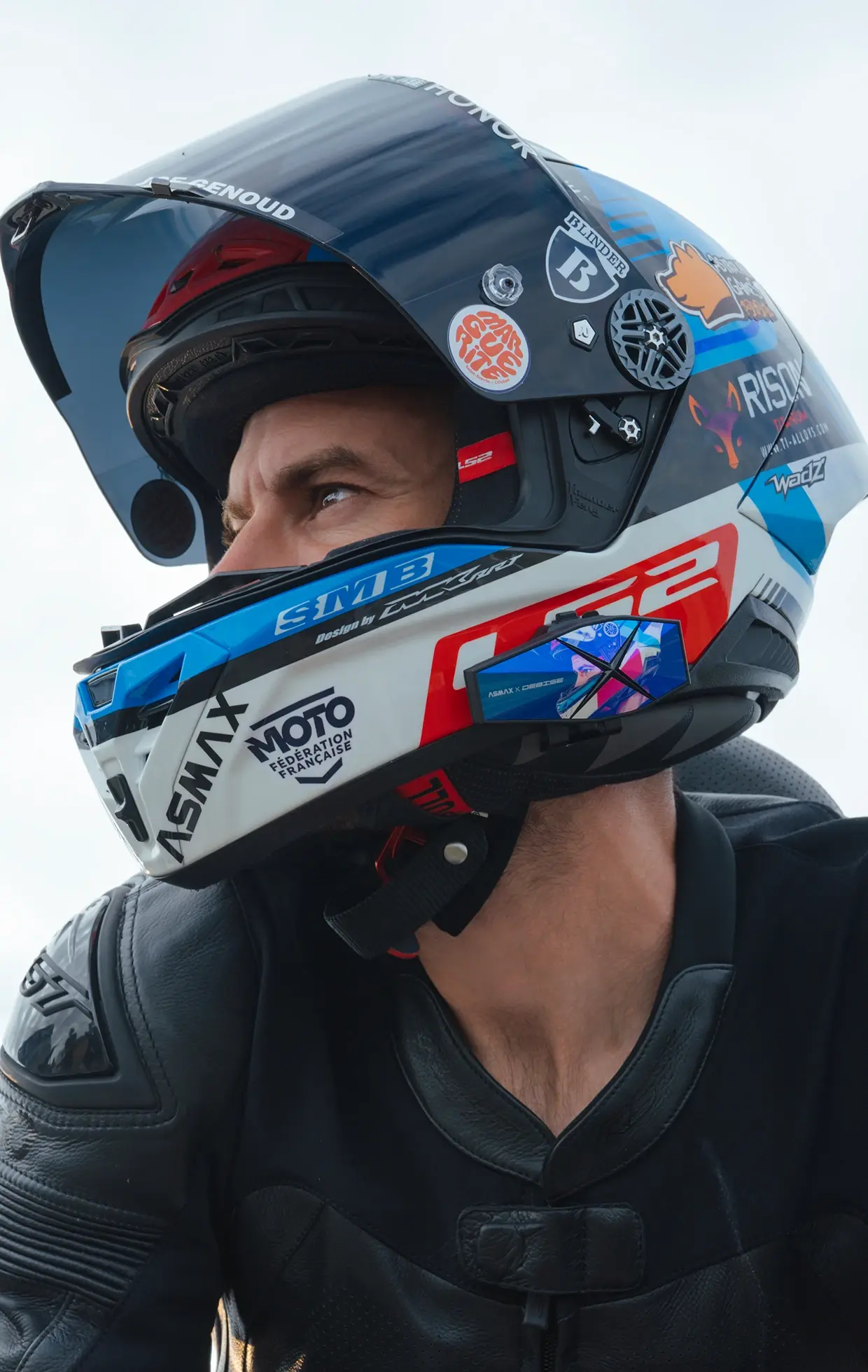
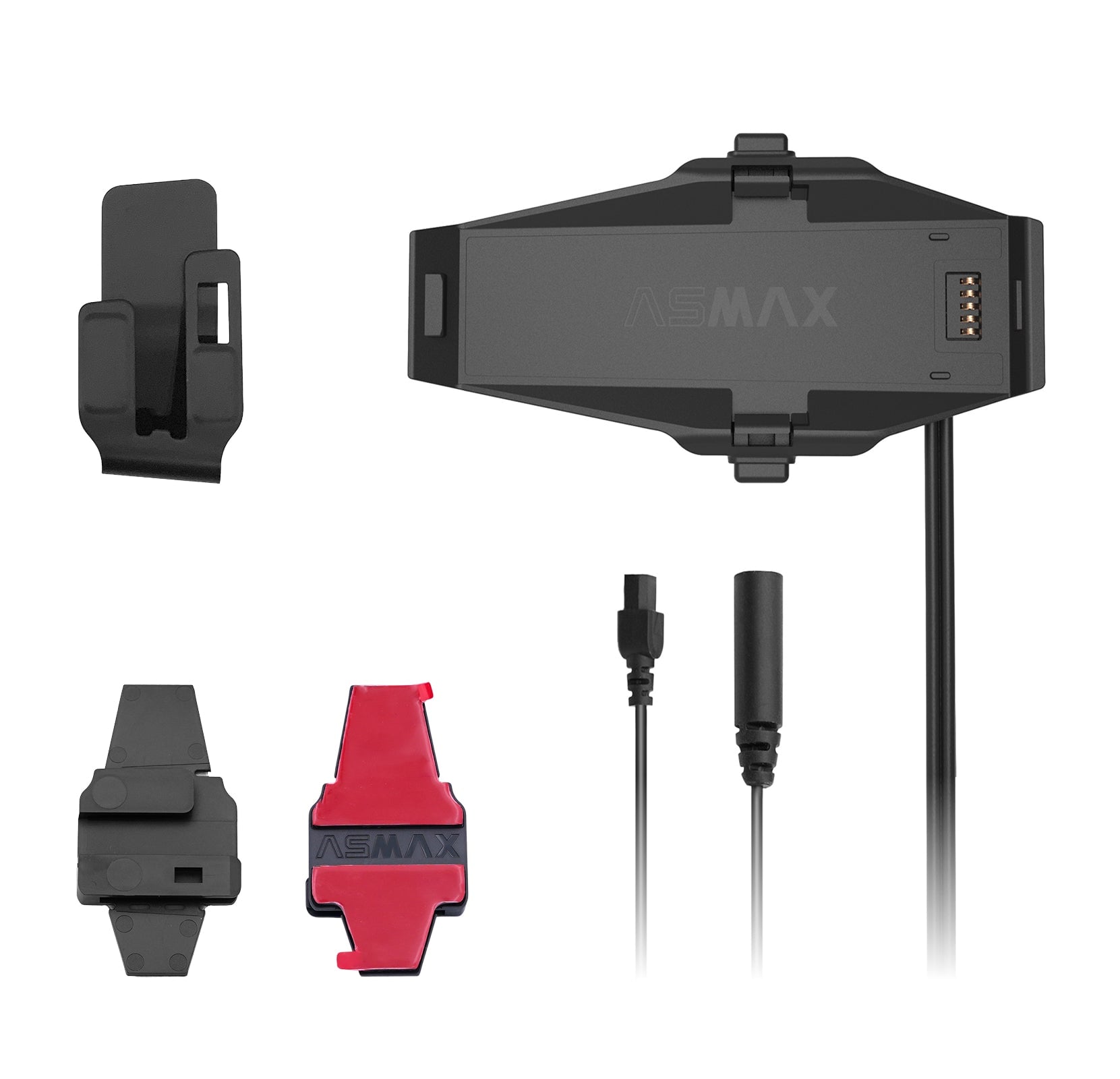
Physically, the S1 is documented at 41 grams with a quick-release mount and customizable LED lighting on the housing. The F1s does not carry the same published weight or mount specification, which makes a direct hardware comparison harder beyond the chipset generation. For riders swapping helmets often, the quick-release design is a detail worth noting on its own.
Communication Modes Explained: CloudTalk, Group Mode, and Free Mode
These headsets support three distinct ways to communicate, and this is where the motorcycle helmet intercoms comparison gets more technical than a simple spec sheet. CloudTalk Mode routes communication over mobile data, which removes the usual distance limit as long as the network connection stays stable. It supports up to 50 riders through a shared Room ID, with no manual pairing or searching required.
Group Mode and Free Mode, by contrast, rely on Bluetooth or mesh connections, which introduces the familiar constraints of distance and device compatibility. According to ASMAX support documentation, these modes only function between ASMAX devices. Riders who need to connect with other brands are directed to CloudTalk Mode instead, since it operates over mobile network rather than direct device-to-device mesh.
Audio Performance and Noise Cancellation Across the Range
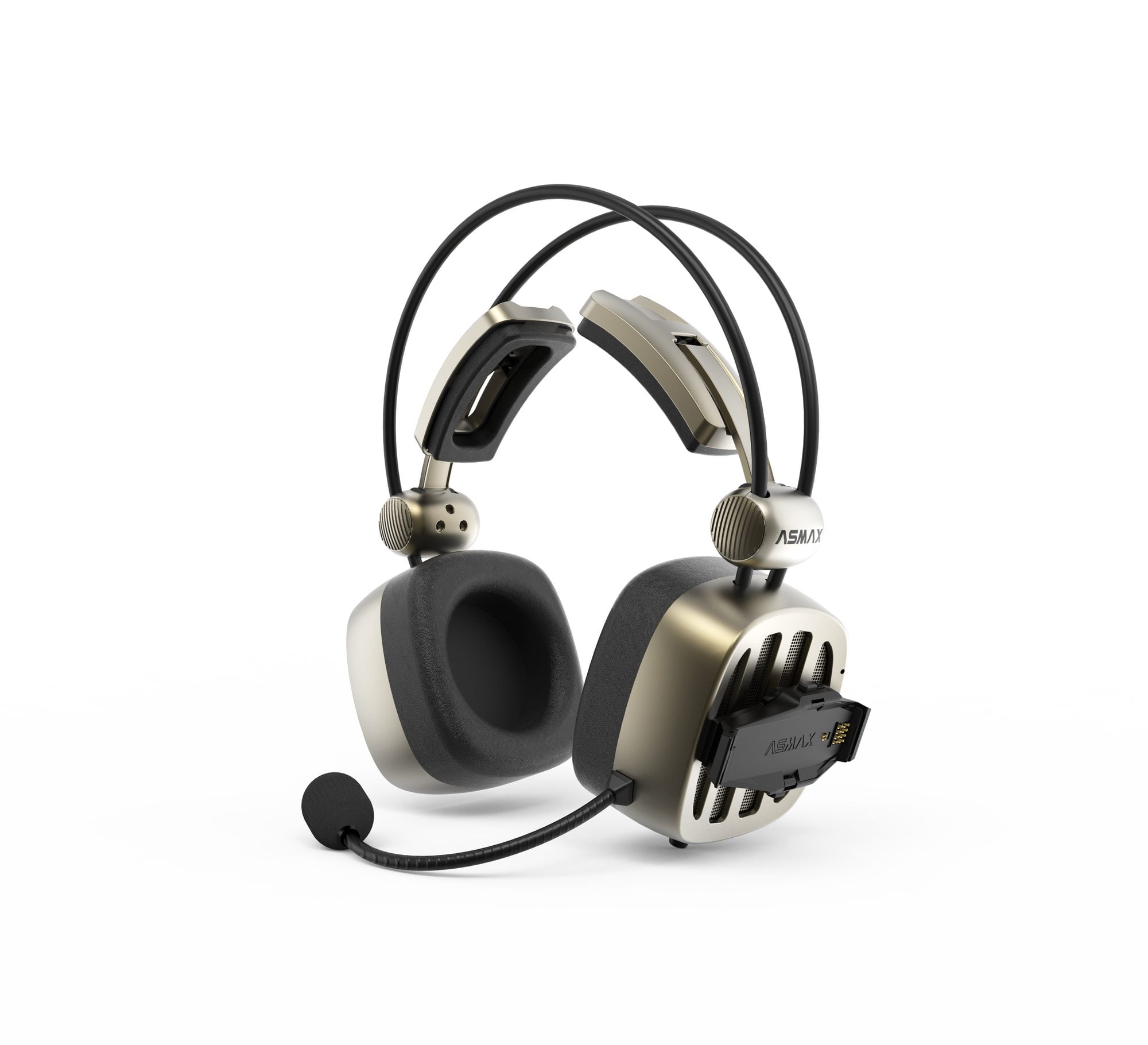
The S1 is specified with 40mm speakers paired with ENC and DSP noise reduction, aimed at clearer calls and richer playback at speed. It also includes FM radio, a feature not listed for the F1s. The F1s instead offers custom EQ modes, letting riders adjust the sound profile rather than tune into broadcast radio.
Both headsets support music sharing between connected units, a feature marketed under both product lines without variation. For voice interaction, both models include offline AI voice control, which keeps hands-free operation functional even without a live data connection for that specific feature.
Mesh Range, Rider Capacity, and Real-World Group Riding Scenarios

Because CloudTalk Mode uses mobile data rather than direct mesh signal, the practical range for a large group depends more on cellular coverage than on the headset’s radio strength. For smaller groups riding close together, Group Mode and Free Mode keep communication local without relying on a data plan. Support pages note that users must select the same server region to join and communicate successfully within these modes.
Riders mixing brands of intercom within a single group will find CloudTalk Mode the more relevant option, since the mesh modes are restricted to ASMAX hardware. That distinction matters more for club rides where not every member owns the same headset. For single-brand rides staying on one mesh network, either the S1 or the F1s handles the stated 50-rider capacity.
Weather Resistance and Build Durability in Field Use
Water resistance is one of the clearer differentiators in this motorcycle helmet intercoms comparison. The S1 carries an IPX7 rating, while the F1s is rated IP67, which adds a dust-resistance figure alongside the water protection. Both ratings are described as protection against rain, dust, and road spray rather than full submersion use.
The brand backs its headset range with a 2-year warranty and a 30-day return window, details that apply across the catalog rather than to a single model. Firmware is also delivered over the air, so both the S1 and the F1s can receive updates without a cable connection. Below is a direct rundown of the specification and feature gaps between the two models.
- The S1 uses Bluetooth 5.4, while the F1s uses Bluetooth 5.3.
- The S1 is documented with 40mm speakers, a figure not separately published for the F1s.
- The S1 carries an IPX7 waterproof rating, while the F1s carries an IP67 rating.
- The S1 supports a 60-minute fast charge from its 980mAh battery.
- The S1’s battery is rated for up to 13 hours of talk time, 16 hours of music playback, and 96 hours of standby.
- Both the S1 and the F1s include offline AI voice control for hands-free operation.
- The S1 adds FM radio, while the F1s adds custom EQ sound modes instead.
Taken together, the two models share a common software base and the same 50-rider communication ceiling, but they diverge on radio generation, water resistance rating, and a few audio extras. Riders weighing the S1 against the F1s are really choosing between a newer Bluetooth chipset with FM radio or a model built around adjustable EQ profiles and a slightly higher ingress protection figure.