Your Phone Product Line Comparison Understanding the Brand’s Mobile Device Range
📱 A closer look at how Your Phone here's mobile devices stack up against each other across design, performance, and camera features.
Smartphone catalogues often look alike once marketing language gets stripped away, which is exactly why a careful Your Phone product comparison matters. Looking past matching spec sheets shows where design, performance, and connectivity choices actually diverge across a mobile device range. The sections below work through those categories in turn, building toward a clearer picture of how such a lineup fits together.
The Mobile Device Lineup at a Glance
Your Phone here presents its mobile devices as a connected range rather than a single standalone product. A lineup organized this way typically exists so that different priorities, such as screen size, storage, or camera setup, can be matched to different needs. Seeing how the full range is structured makes it easier to notice differences between models that a quick glance at a spec sheet would miss.
Reviewing the range as a whole clarifies what separates one model from the next, and it also shows how a catalogue can group devices by likely use rather than simply by release order. That broader view turns a Your Phone product comparison into something closer to a map of the lineup than a flat list of numbers side by side.
Core Features Across Your Phone Devices
Across most mobile device ranges, core features tend to include the operating system, baseline storage tiers, and standard connectivity ports. These shared elements usually form the foundation that every model in a range offers, regardless of when it launched. As a result, moving between devices from the same maker still carries a sense of familiarity rather than feeling like switching brands entirely.
That shared foundation is often what makes a Your Phone product comparison meaningful in the first place. When the basics stay consistent across a lineup, the differences that do exist become easier to isolate and weigh against one another on their own terms. For Your Phone here specifically, this consistency is what gives the range a recognizable identity across its models.
Design and Build Distinctions in the Range
Design is one of the more visible ways that devices within a single catalogue set themselves apart. This can include differences in overall dimensions, the materials used for the back panel or frame, and the placement of buttons or ports. For many buyers these physical distinctions matter as much as internal specifications, since a handset gets handled constantly throughout the day.
Build quality differences also tend to surface in details such as water resistance ratings or the finish applied to the exterior. A careful Your Phone product comparison should take these into account, because they shape how a handset feels and holds up during ordinary daily use. Small variations like these are often what separates one model’s identity from another’s within the same range.
Performance and Specification Differences
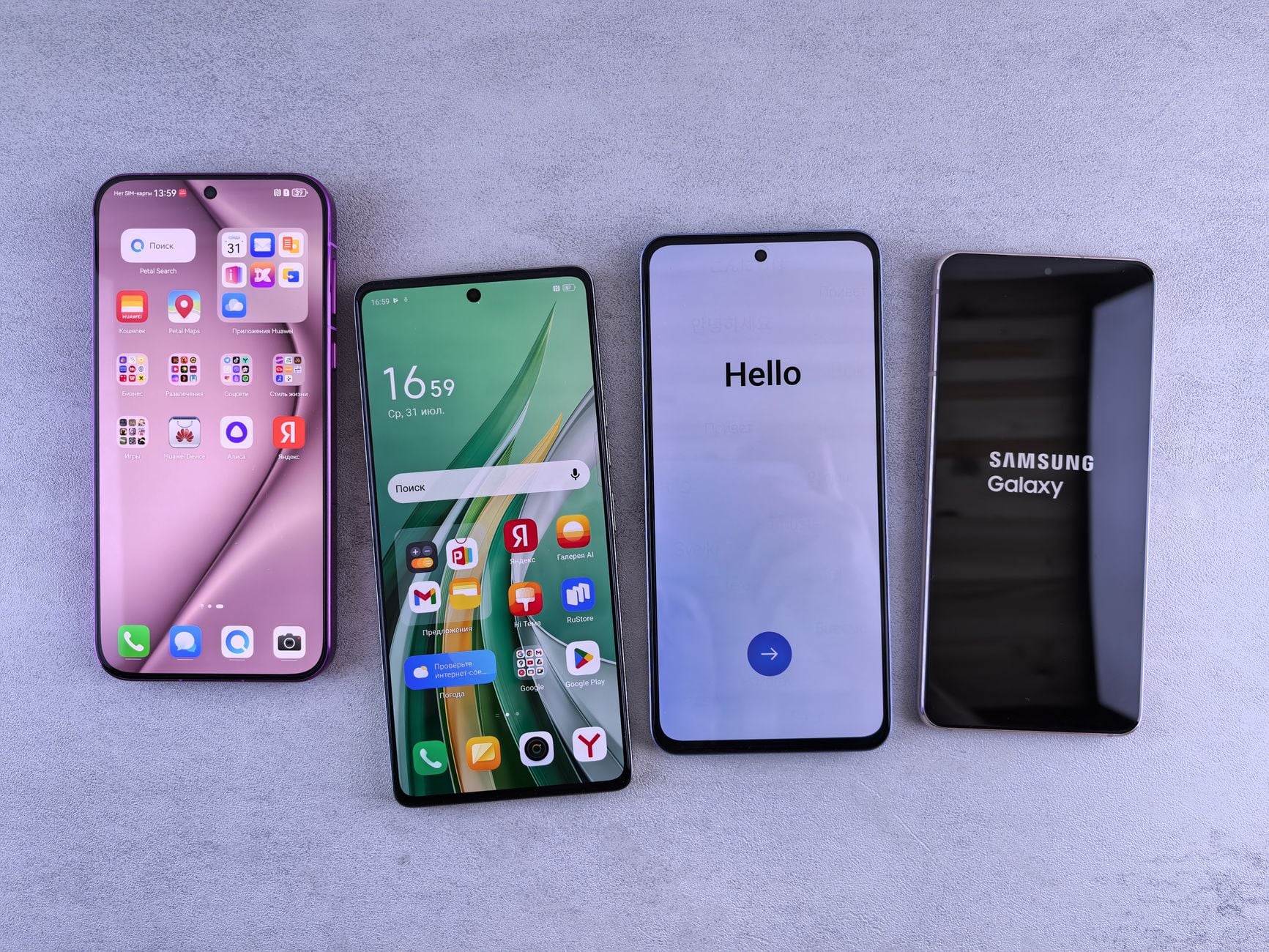
Performance is often the area where a product lineup shows the clearest separation between models. Processor choice, available memory, and storage capacity all affect how a device handles browsing, multitasking, or running several applications at once. Even within a single brand, these specifications can vary considerably from one device to the next.
For anyone running a comparison, reviewing these specification differences is a practical starting point. A direct look at processing power and memory configuration is typically where a meaningful comparison of models begins, since those two factors tend to shape everyday performance the most. Within the Your Phone here lineup, this is often where the most noticeable gaps between models appear.
Camera and Imaging Capabilities by Model
Camera setups frequently differ across a mobile device range, with variations in sensor count, lens arrangement, and supported shooting modes. Some models lean on a single main sensor, while others add supplementary lenses for wider shots or closer detail. These choices influence how a phone performs in different lighting conditions and shooting scenarios, which is part of why cameras draw so much attention in any comparison.
Imaging software also factors into the experience, since processing choices affect how photos look once captured. In a comparison of devices across a range, the camera section tends to carry real weight, because it touches a feature used constantly in daily life. This is one reason the camera module often becomes a defining detail between otherwise similar models.
Connectivity and Network Support Options
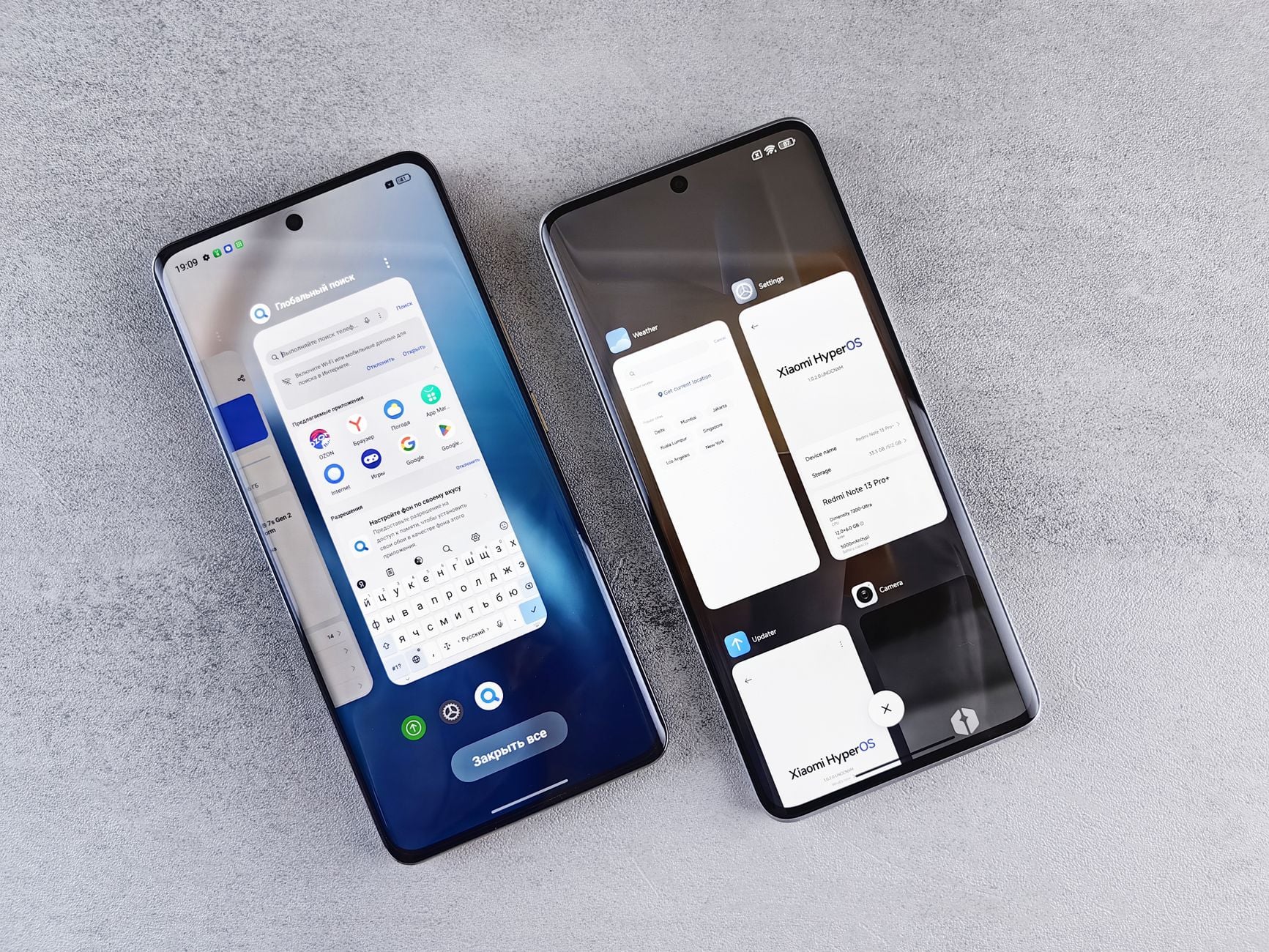
Connectivity features, including network band support, wireless standards, and charging methods, often vary between models within a single range. Some devices support newer wireless protocols or faster charging methods, while others stick to more established standards. These differences can affect compatibility with accessories or with specific mobile networks, which matters more in some regions than others.
Reviewing connectivity options is a practical part of comparing devices within the Your Phone here range, since network support can directly affect everyday usability. A device that covers a wider range of bands or standards tends to offer more flexibility as networks continue to evolve. This kind of detail often gets overlooked in a casual Your Phone product comparison, even though it affects daily use more than many buyers expect.
- Processor type and core count influence how quickly a device handles daily tasks.
- Memory and storage capacity determine how many apps, photos, and files a phone can hold.
- Display size and resolution affect how content appears on screen.
- Camera sensor configuration includes the number of lenses and their intended purpose.
- Battery capacity relates to how long a device can be used between charges.
- Network and wireless connectivity standards vary by model within the same range.
Taken together, these categories form the backbone of any thorough product comparison. Lining them up side by side makes it easier to see what actually separates one model from another within the same lineup. That groundwork turns an eventual choice between devices into a more informed one.
Comparisons like this will keep mattering as mobile device ranges keep expanding in the seasons ahead.