Your Dinner Personality Is Allowed to Change Daily: Marley Spoon for Households That Never Agree on Food
One person wants steak, somebody else has decided tonight is vegetarian, the kids are campaigning for burgers, and the person actually cooking would simply like dinner to happen before bedtime. Feeding a household is often less about culinary skill and more about diplomatic negotiations. That is where Marley Spoon becomes interesting. Rather than building its […]
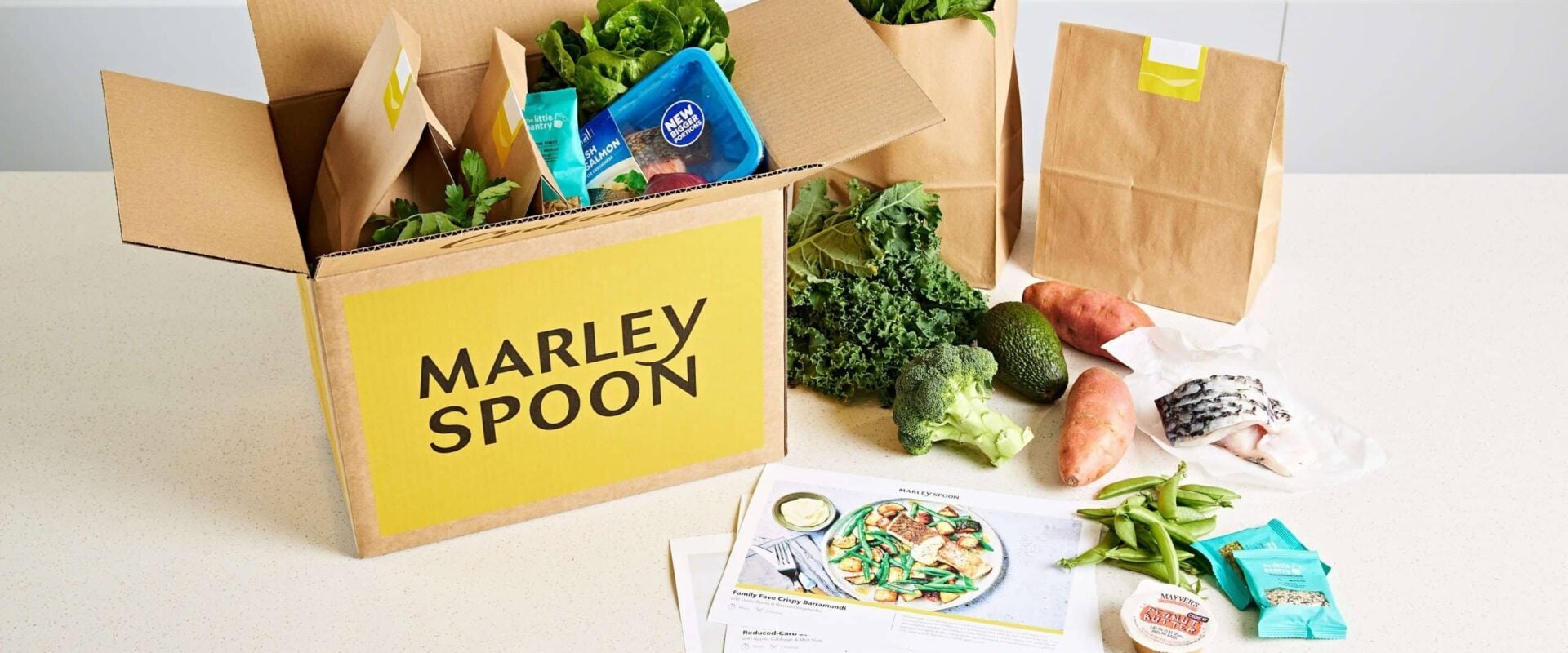
One person wants steak, somebody else has decided tonight is vegetarian, the kids are campaigning for burgers, and the person actually cooking would simply like dinner to happen before bedtime. Feeding a household is often less about culinary skill and more about diplomatic negotiations. That is where Marley Spoon becomes interesting. Rather than building its appeal around one particular style of food, the meal-delivery service currently offers more than 100 recipes across its weekly menu, alongside prepared meals and a Market section for extras. Recent menus have ranged from steak and crispy patatas bravas to Greek chicken, salmon, biryani and vegetarian dishes. The result is a service designed less for the perfectly organised meal planner and more for households whose answer to “What does everyone want for dinner?” changes approximately every seven minutes.
Marley Spoon gives picky households more room to negotiate
Variety is one of the clearest reasons to consider Marley Spoon. With 100+ recipes listed on current weekly menus, shoppers can filter choices according to dietary preferences, protein, meal type, cooking time, allergens, cuisine and other categories. Recent selections have included steakhouse-style dinners, chicken biryani, salmon dishes, burgers and vegetarian options, so the service does not force every household into the same “healthy meal kit” personality. That breadth matters when different people have different preferences or when you simply get bored eating variations of chicken, potatoes and optimism. It does not guarantee every dietary requirement will be represented equally each week, and anyone with allergies should still check individual ingredient and allergen information carefully. What it does provide is considerably more negotiating room before somebody suggests ordering pizza again.
Marley Spoon meal kits are for people who still want to cook

Convenience does not necessarily mean removing cooking altogether, and the traditional meal kits from Marley Spoon are aimed at people who enjoy making dinner but dislike everything that happens before the pan reaches the stove. Ingredients arrive in the quantities required for the recipes, accompanied by instructions designed to guide you through preparation. Current menu listings show many recipes falling around the 20-to-50-minute range, with quicker options available for busier nights. That makes the service particularly useful for cooks who want variety without researching recipes, writing shopping lists and buying a full container of an ingredient required in one tiny spoonful. Compared with prepared meals, meal kits obviously demand more effort and washing up. The reward is a more hands-on dinner and the satisfaction of actually cooking something rather than becoming extremely talented at removing plastic film.
Prepared Marley Spoon meals rescue the nights when cooking is not happening
Some evenings deserve chopping boards and sizzling pans. Others deserve five minutes and absolutely no judgment. Marley Spoon now complements its recipe kits with prepared meals, giving customers a useful second speed for particularly busy days. Current prepared options include dishes such as chicken tikka masala, chicken curry, saag paneer and butter paneer, with several menu listings showing preparation times around five to ten minutes. This creates an appealing middle ground for households that do not need a traditional meal kit every night. You might cook properly when the schedule allows and keep prepared options for late meetings, school activities or the evening when everybody arrives home hungry at different times. The trade-off is obvious: prepared meals offer less of the cooking experience. On Wednesday at 8:17 p.m., that may sound less like a disadvantage and more like excellent planning.
Marley Spoon works surprisingly well for people who get bored easily
Meal-kit subscriptions can lose their appeal when choosing dinner begins to feel like selecting the same five dishes wearing different sauces, which makes the scale of the Marley Spoon menu particularly relevant. Recent weekly menus have moved between Mediterranean, Asian-inspired, American comfort food and European-influenced dishes, with examples including Japanese BBQ salmon, coconut turmeric chicken with rice noodles, cacio e pepe chicken, enchiladas and steakhouse dinners. Nobody needs culinary world travel every Tuesday, but having genuinely different directions available can make a subscription easier to keep interesting. This is especially useful for confident home cooks who want new ideas but do not necessarily want to spend Sunday afternoon searching recipe sites. Marley Spoon handles much of the inspiration stage. You still get to take credit when the finished plate looks suspiciously restaurant-worthy.
The Marley Spoon Market stretches beyond the dinner box
The Market section makes Marley Spoon feel broader than a conventional recipe-box subscription. Current listings include meal shortcuts, prepared lunches, breakfast items, snacks, bakery products, proteins, pantry items, fruits and vegetables, drinks and desserts. Recent examples have ranged from salad kits and pizzas to soups, sandwiches, dumplings and breakfast options. That can be genuinely convenient for households trying to reduce additional supermarket trips, particularly when the problem is not only dinner but also “What are we eating tomorrow at noon?” The downside is that add-ons can make a weekly order grow quickly, so convenience should not replace basic price comparison. Used selectively, however, the Market can fill awkward gaps between planned dinners. Apparently the meal kit has realised that people continue being hungry before 6 p.m.
Marley Spoon vs grocery shopping comes down to time versus control
Traditional supermarket shopping still wins when maximum control over brands, quantities and individual ingredient prices matters most. Marley Spoon makes a different argument: it reduces the planning, recipe hunting and ingredient gathering required to put varied meals on the table. Pre-measured ingredients can also help avoid buying larger quantities of niche ingredients that may eventually become archaeological discoveries at the back of the cupboard. On the other hand, experienced budget shoppers who plan meals carefully and reuse ingredients across several dishes may find supermarket cooking more economical. Marley Spoon therefore makes the most sense when time, variety and reduced decision-making carry real value for your household. You are not simply paying for carrots and chicken. Part of the proposition is not having to remember that you needed those carrots and chicken in the first place.
Marley Spoon flexibility helps when real life ignores the meal plan
A meal subscription becomes much less useful if it assumes every week of your life looks identical, so flexibility is an important part of the Marley Spoon proposition. The service currently allows customers to manage meal choices and delivery options, with the ability to skip, pause or cancel according to its current terms and ordering deadlines. That is useful for holidays, work travel or weeks when dinner plans unexpectedly migrate outside the house. Customers still need to manage their account before the relevant cutoff because subscription boxes are not mind readers, however advanced dinner technology becomes. This makes Marley Spoon better suited to people comfortable spending a few minutes reviewing upcoming deliveries rather than completely forgetting the subscription exists. A quick weekly menu check can prevent your doorstep from receiving dinner for a household currently three states away.
Who gets the most value from Marley Spoon?

Marley Spoon is particularly well suited to households that want variety but repeatedly lose time to planning and shopping. Couples who enjoy cooking can use the meal kits to escape recipe repetition, families can explore kid-friendly choices, and overloaded professionals can combine cook-from-scratch kits with prepared meals for more demanding days. It is less compelling for highly disciplined meal preppers who enjoy shopping around for ingredients, or anyone who wants complete control over every brand and quantity entering the kitchen. The 100+ weekly recipe selection is the real differentiator for easily bored eaters, while prepared meals and Market extras broaden the service beyond traditional dinner kits. The smartest buyer is not necessarily somebody who hates cooking. It may be the person who likes cooking but has completely run out of enthusiasm for deciding what to cook.
The Household Group Chat Can Finally Stop Discussing Dinner
The most convincing reason to try Marley Spoon is not simply convenience. It is having enough different ways to solve dinner that the service can adapt to several kinds of evening. Choose a full meal kit when cooking sounds enjoyable, pick a quicker recipe when time is tight, use a prepared meal when the kitchen is effectively closed, and explore Market extras when breakfast or lunch also needs rescuing. With more than 100 recipes appearing across current weekly menus, variety is a particularly strong selling point for families and couples who rarely crave the same thing twice. Supermarket shopping will remain the better choice for shoppers prioritising maximum control and bargain hunting. For anyone primarily tired of planning, however, Marley Spoon removes one of the week’s most repetitive decisions. And “What are we having for dinner?” has already had far too many sequels.