Could an ENGWE E-Bike Actually Replace Your Car for Everyday Trips?
Most of us use cars for journeys that barely give the engine time to warm up. A quick trip to the supermarket, the morning commute, dropping something off at a friend’s house, or travelling a few kilometres across town can easily become another car journey simply because it is convenient. An electric bike offers a […]
Most of us use cars for journeys that barely give the engine time to warm up. A quick trip to the supermarket, the morning commute, dropping something off at a friend’s house, or travelling a few kilometres across town can easily become another car journey simply because it is convenient.
An electric bike offers a surprisingly practical alternative for many of those trips. That does not necessarily mean selling the car tomorrow. The more useful question is whether an ENGWE e-bike could handle enough of your everyday journeys that reaching for the car becomes the exception rather than the habit.
Start With the Journeys You Actually Make
It is easy to get distracted by maximum range, motor specifications and other numbers when looking at electric bikes. In everyday life, your normal travel habits matter more.
Think about where your car actually goes during an average week. If most journeys involve commuting across town, visiting local shops, meeting friends or running small errands, an electric bike may cover considerably more of your routine than expected.
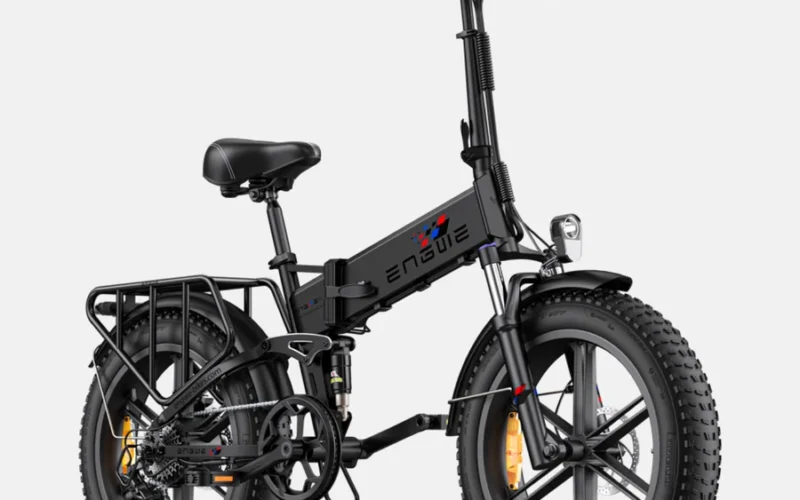
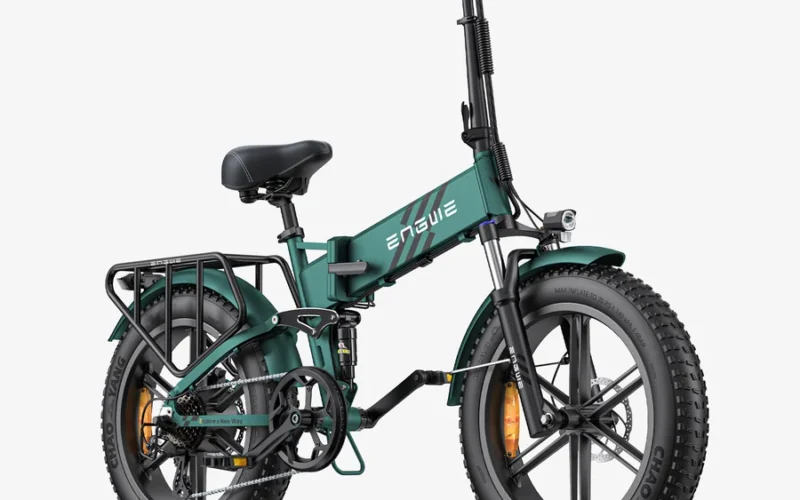
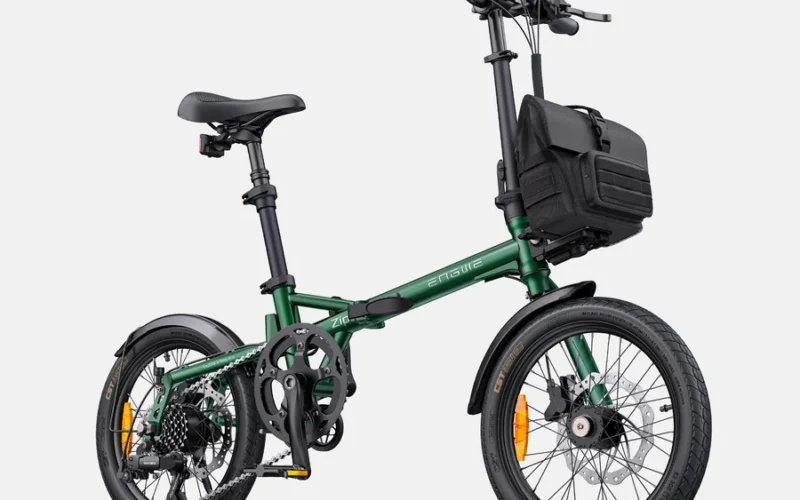
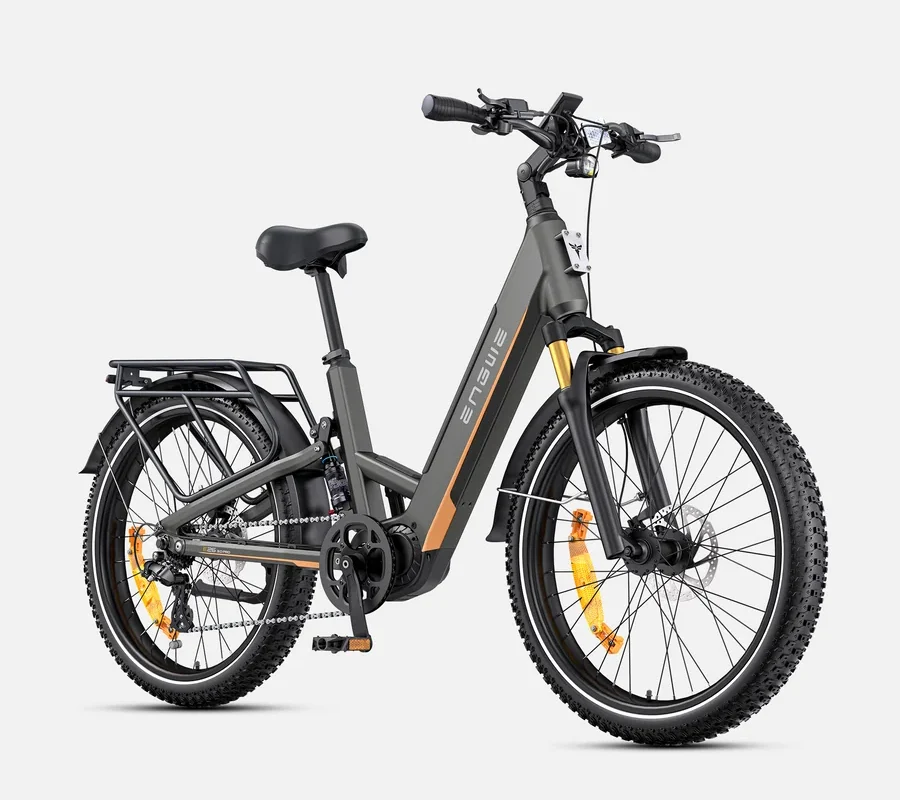
This is where the variety within the ENGWE range becomes useful. There are folding e-bikes for people dealing with limited storage, commuter-focused models for regular city riding and larger options suited to longer or more demanding journeys. Rather than choosing the most powerful-looking bike, it makes more sense to choose one that fits the trips you already make.
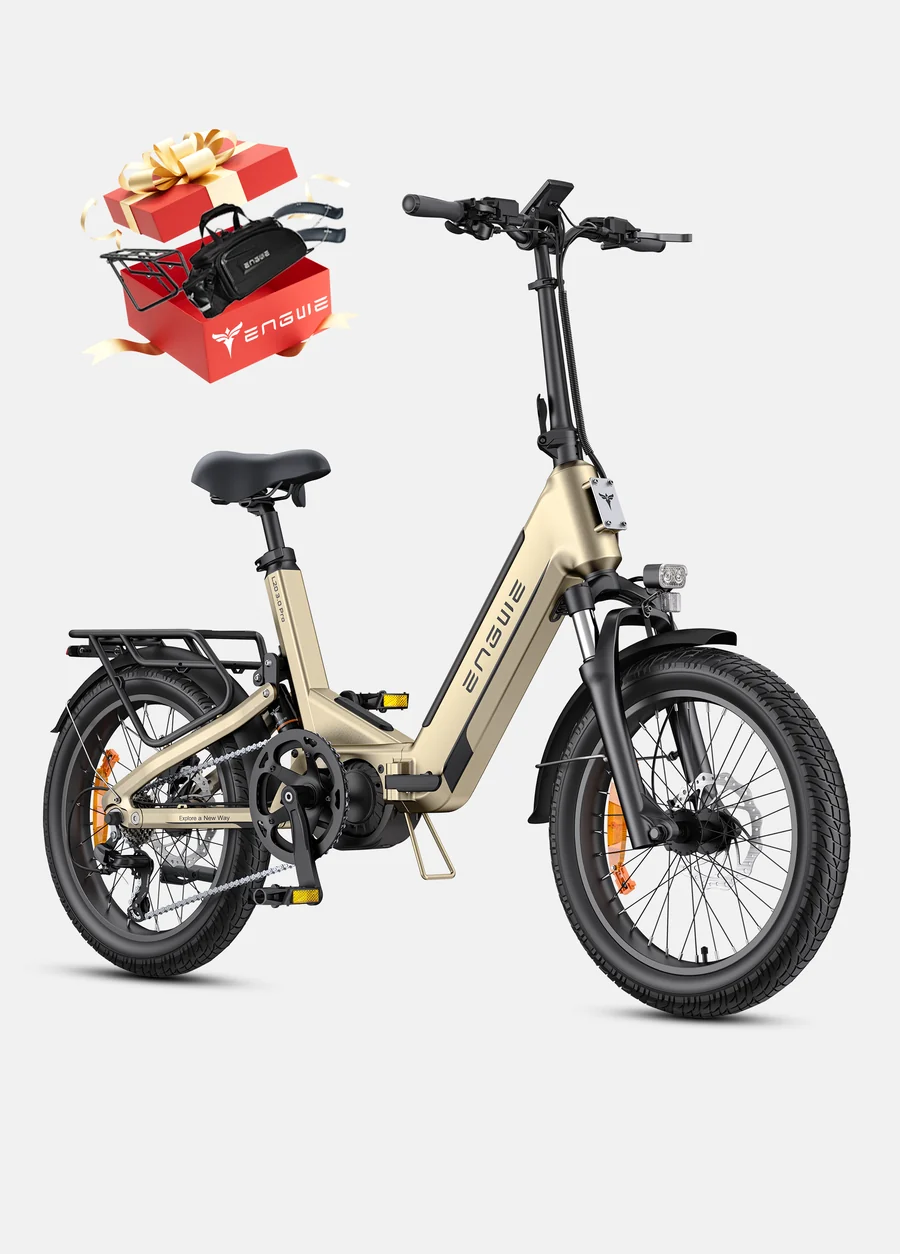
The Commute Might Be the Easiest Place to Make the Switch
Daily commuting is where an e-bike can quickly start earning its place.
A conventional bicycle is perfectly capable of getting you to work, but hills, distance and the thought of arriving tired can make it difficult to stick with every day. Electric assistance changes that calculation. You still pedal, but the motor support makes longer stretches and inclines much easier to manage.
An ENGWE electric bike can also remove some familiar annoyances of driving in busy areas. There is no sitting in slow traffic wondering whether the next lane is moving faster, and finding somewhere to leave a bike is often simpler than hunting for a parking space.
For shorter urban commutes, those small conveniences can matter more than shaving a couple of minutes from the journey.
What About Shopping and Everyday Errands?
This is usually where the idea of replacing car journeys gets tested.
Picking up a loaf of bread is easy on practically any bike. A proper supermarket trip is different. If errands are going to become regular e-bike journeys, carrying capacity deserves attention.
Depending on the bike, racks, baskets, panniers and other bike accessories can make groceries, work bags and everyday belongings much easier to carry. Cargo-oriented electric bikes can take the idea further for riders who routinely transport heavier loads.
Before buying, it is worth asking yourself three practical questions:
- Where will the bike be stored and charged?
- How much do you normally carry?
- What distance do you realistically travel each day?
Those answers are far more useful than choosing an e-bike based purely on headline specifications.
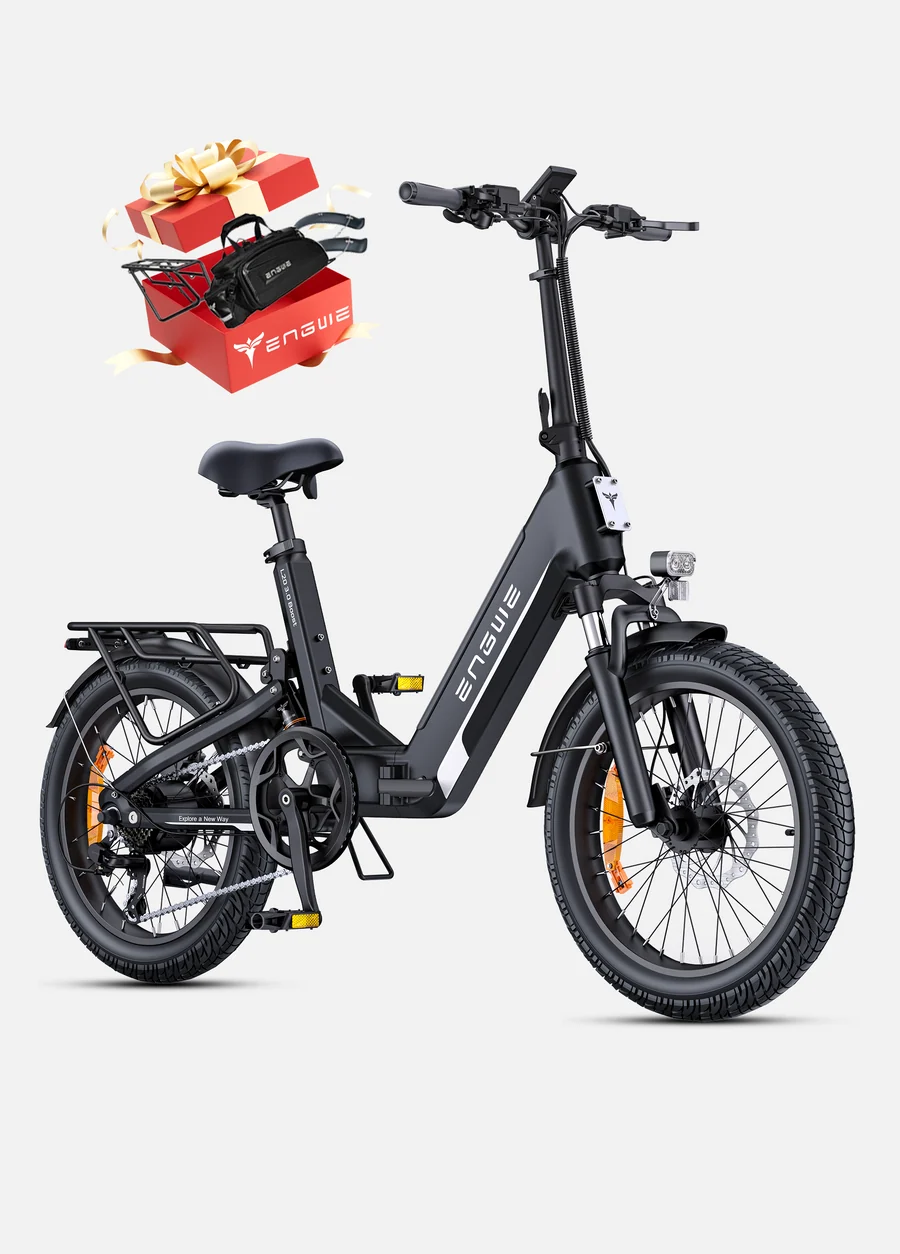
There Is a Financial Argument Too
Cars are expensive even when they spend most of the day parked. Fuel or charging, insurance, servicing, parking and general maintenance all contribute to the cost of making relatively simple journeys.
An e-bike still has costs. Batteries eventually age, tyres wear out and regular bike maintenance should not be ignored. Even so, replacing frequent short car journeys can reduce everyday transport expenses, particularly for someone paying regularly for city parking or fuel.
The important word here is “replacing.” Buying an e-bike and continuing to drive everywhere will not magically save money. The value appears when the bike becomes something you genuinely use.
So, Could It Really Replace Your Car?
For every journey? Probably not for most people.
Bad weather, very long distances, family travel and large shopping trips can still make a car the sensible choice. But complete replacement is not really the point.
If an ENGWE e-bike handles your commute, local errands and weekend trips, your car could spend much more time at home. For some households, that might eventually make a second car unnecessary.
That is perhaps the more realistic way to think about electric mobility. You do not have to choose between being a driver and being a cyclist. Start with the journeys where taking the car feels excessive, and see how many of them could comfortably be done on two wheels instead.