
Barking Heads and the Ingredients That Matter More Than Fancy Packaging
Walk down the pet food aisle and almost every bag has something reassuring to say. Natural ingredients, wholesome recipes, premium nutrition, carefully selected this and delicious that. The packaging looks convincing, but your dog is not eating the packaging. What matters is inside it. That sounds obvious, yet dog food labels are not always easy […]
Walk down the pet food aisle and almost every bag has something reassuring to say. Natural ingredients, wholesome recipes, premium nutrition, carefully selected this and delicious that. The packaging looks convincing, but your dog is not eating the packaging.
What matters is inside it.
That sounds obvious, yet dog food labels are not always easy to make sense of. You do not need to become a canine nutrition expert, but knowing which details deserve your attention can make choosing food much less confusing. Barking Heads is a useful example because its recipes put recognisable meat and fish ingredients at the centre rather than relying entirely on clever front-of-pack claims.
Read Past the Big Claims
The front of a dog food bag is advertising space. The ingredient list is where things become more interesting.
One of the first things worth checking is the protein source. Instead of being impressed by a picture of a roast chicken or a beautifully photographed salmon fillet, turn the bag around and see what the recipe actually contains.
Clearly identified meat or fish gives you a much better idea of what you are buying. Chicken, lamb, beef and salmon are meaningful descriptions. Vague wording can leave you with more questions.
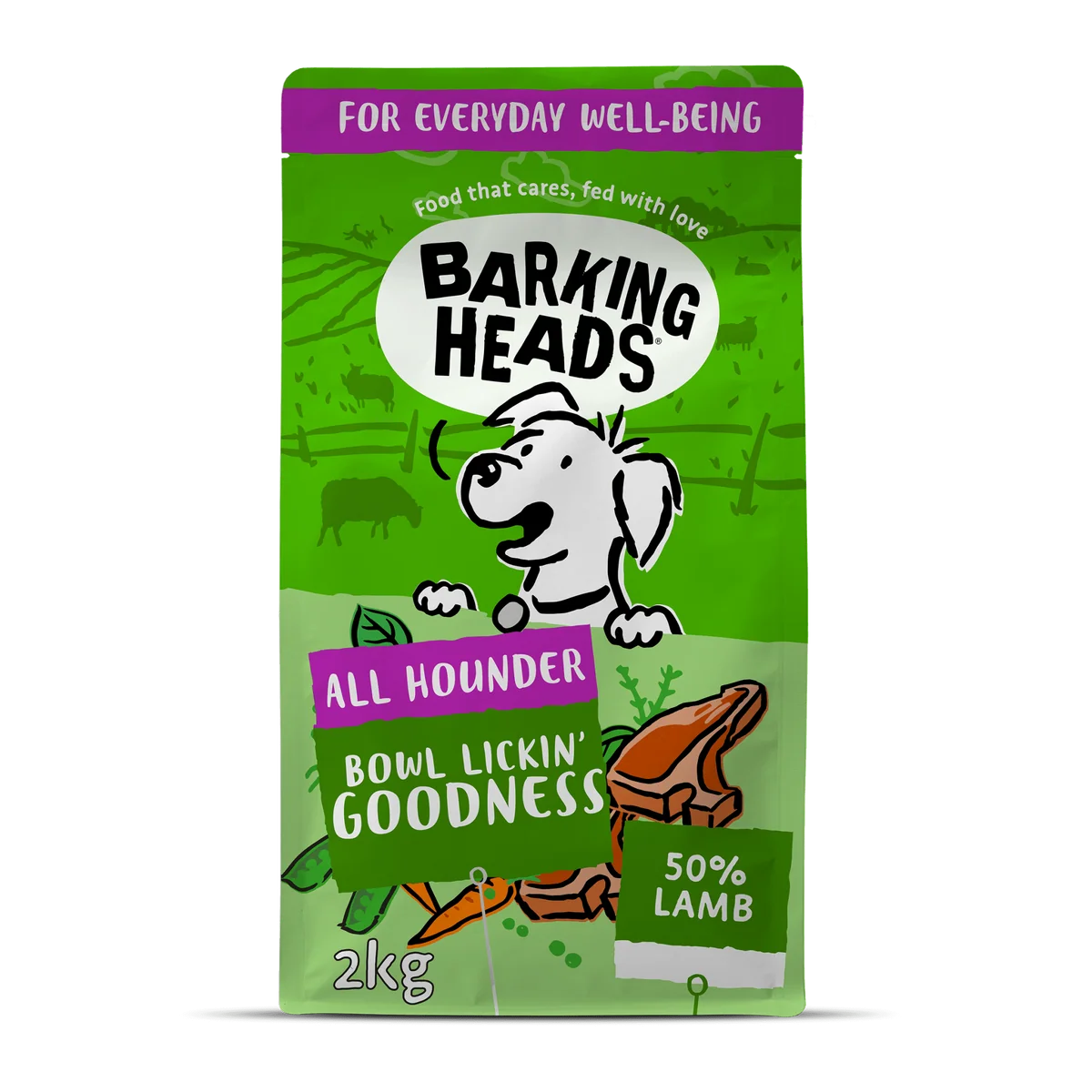
Across its dog food range, Barking Heads uses recipes based around named animal proteins, with options designed for different ages and needs.
A Long Ingredient List Isn’t Necessarily a Bad One
There is a temptation to assume that fewer ingredients always means better food. It is not quite that simple.
Complete dog food has to provide a suitable nutritional balance, so ingredients can be there for very different reasons. Oils provide useful fats. Vegetables can contribute fibre and nutrients. Vitamins and minerals help make sure the finished meal meets a dog’s nutritional requirements.
Even ingredients such as rice, oats and sweet potato have a practical purpose. They can provide carbohydrates for energy while contributing to the overall texture and composition of the food.
The better question is not “How short is this list?” but “Do I understand why these ingredients are here?”
That is a much more useful way to compare one dog food with another.
Your Dog’s Age Changes the Answer
There is another problem with looking for one universally perfect ingredient list: dogs do not have identical nutritional needs throughout their lives.
Puppy food has to support growth and development. An adult dog needs nutrition suited to maintaining health, activity and body condition. Later, senior dog food may be more appropriate as lifestyle and nutritional requirements change.
Barking Heads separates recipes according to life stage and other requirements, which is more useful than assuming the food that worked at 18 months will automatically remain the right choice years later.
Size and activity matter too. A dog spending weekends hiking with its owner is living a very different life from one whose favourite activity is relocating from the sofa to the sunny patch on the carpet.
What About Grain-Free Food?
Grain-free food has become a familiar phrase on pet food shelves, but it should not automatically be treated as shorthand for better quality.
Some owners choose grain-free recipes because of their dog’s individual dietary requirements or preferences. Others find that their dogs do perfectly well with carefully formulated foods containing grains.
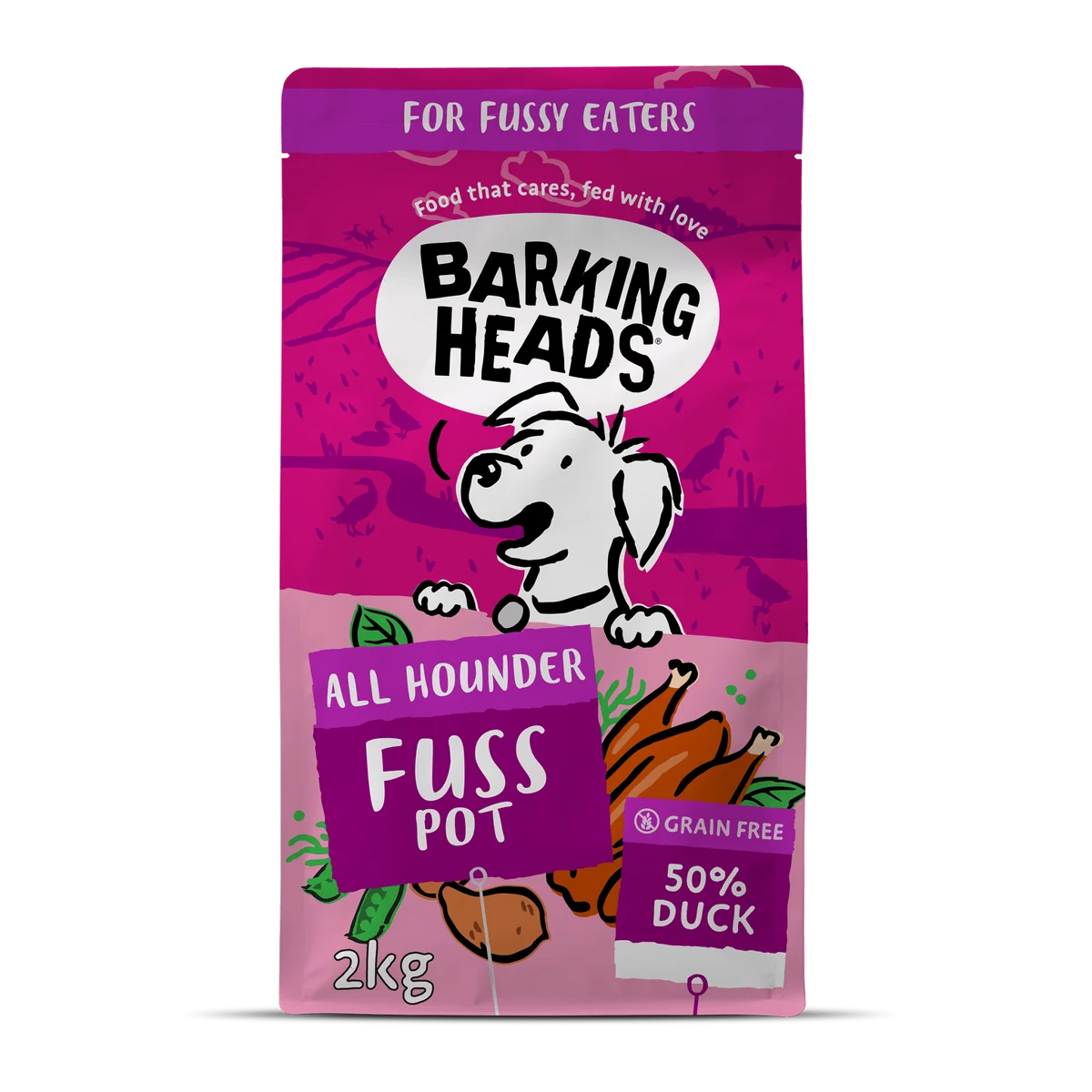
Rather than choosing based on a trend, consider the individual dog. If you suspect a food sensitivity, speaking with a vet is more sensible than removing ingredients at random.
This is where having a choice of recipes can be helpful. Barking Heads includes both different protein options and recipes for varying dietary needs, allowing owners to choose according to the dog in front of them.
The Bowl Tells You Something the Packaging Can’t
Eventually, the most useful feedback comes from your dog.
A food might have an attractive ingredient list, but you still need to see how your dog gets on with it. Appetite is only one part of that. Pay attention to digestion, stool quality, energy levels, coat condition and whether your dog maintains a healthy weight.
Changing food also deserves some patience. Moving suddenly from one recipe to another can upset digestion, so a gradual transition is usually more sensible.
The same applies when moving between dry dog food and wet dog food or introducing a mixed feeding routine.
Good feeding decisions are rarely about finding the bag with the loudest claims. They come from understanding the main ingredients, choosing something appropriate for your dog’s life stage and then watching how they respond.
That straightforward approach is part of what makes Barking Heads worth considering. Fancy packaging might get a bag into your hand, but sensible ingredients are what should earn it a place in your dog’s bowl.