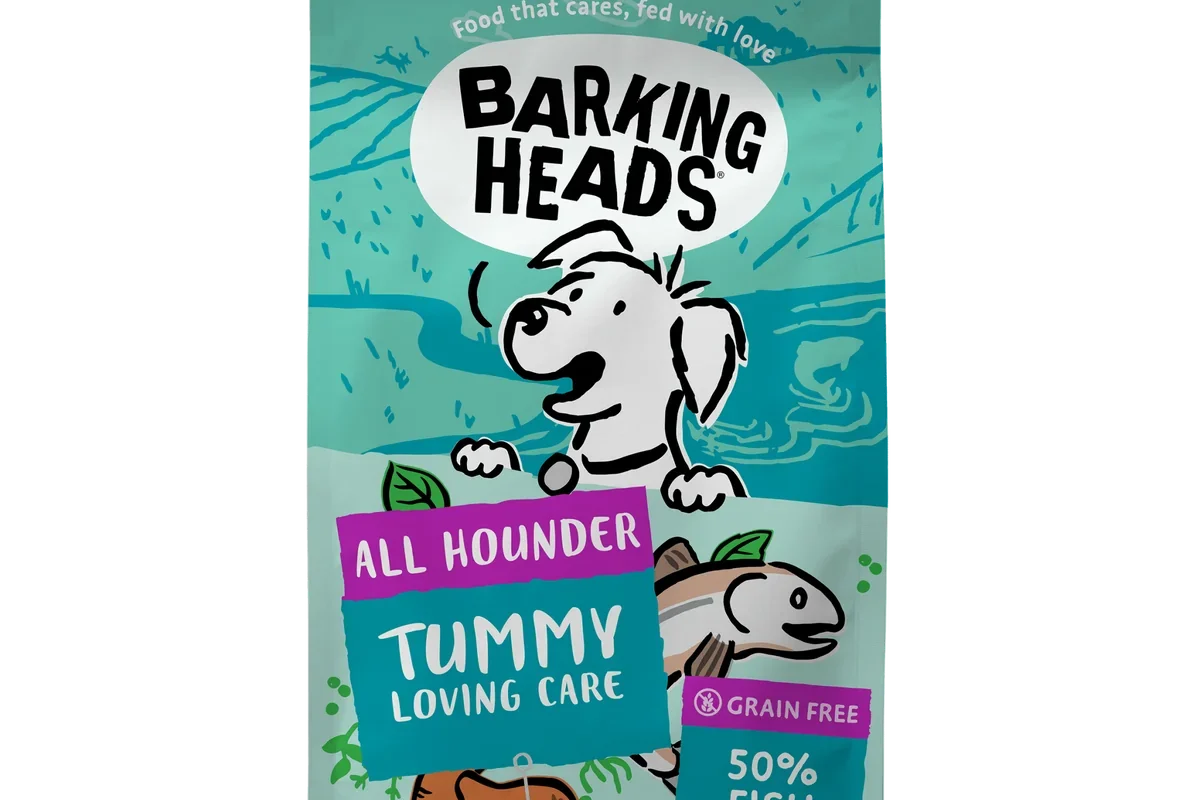
Barking Heads: What Should Actually Be in Your Dog’s Bowl?
Most dogs make their feelings about food pretty obvious. The bowl hits the floor, the tail starts moving, and dinner disappears in record time. But enthusiasm is not necessarily proof that what is in the bowl is actually good for them. Choosing dog food can be surprisingly confusing. Packaging talks about meat, vegetables, vitamins, natural […]
Most dogs make their feelings about food pretty obvious. The bowl hits the floor, the tail starts moving, and dinner disappears in record time. But enthusiasm is not necessarily proof that what is in the bowl is actually good for them.
Choosing dog food can be surprisingly confusing. Packaging talks about meat, vegetables, vitamins, natural ingredients and all sorts of nutritional benefits, but the ingredient list often tells a more useful story. Brands such as Barking Heads focus on recipes built around quality meat and carefully selected ingredients, which makes it worth understanding what those ingredients are actually doing for your dog.
Start With the Protein
Dogs need protein for far more than simply feeling full. It supports muscles, tissue repair, healthy skin and many of the everyday functions that keep a dog active.
When checking dog food, look at where that protein comes from. Clearly named ingredients such as chicken, lamb, beef or salmon tell you much more than vague descriptions of animal-derived ingredients.
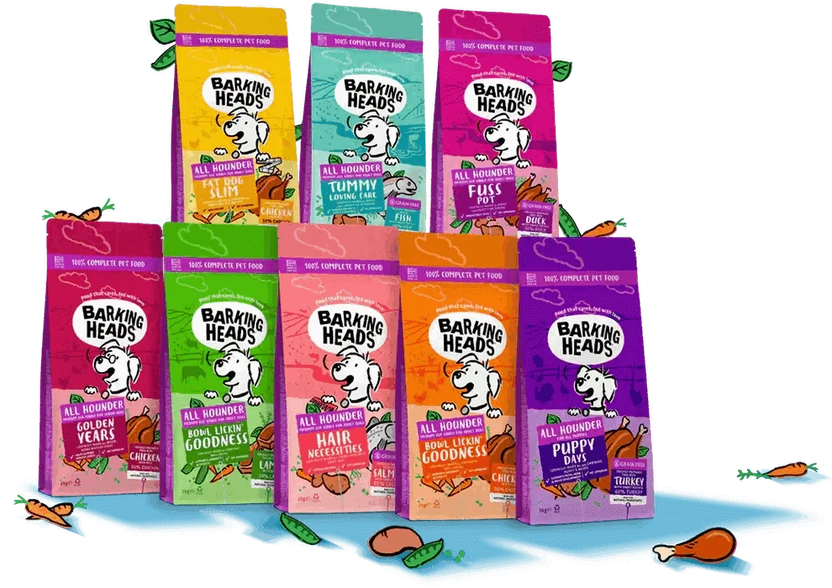
This is one reason Barking Heads recipes are easy to understand. Meat and fish feature prominently across the range, with different recipes available depending on your dog’s age, size and dietary needs.
That does not mean every dog needs exactly the same protein level or recipe. A growing puppy has different nutritional demands from a quiet senior dog, so context matters just as much as the ingredient itself.
Carbohydrates Aren’t Automatically the Enemy
Carbohydrates sometimes get treated as though they have no place in dog food, but that is too simplistic. Ingredients such as rice, oats and sweet potato can provide useful energy and fibre.
What matters is the overall balance of the recipe.
If your dog is active and maintains a healthy weight, a balanced dry food containing appropriate carbohydrates may suit them perfectly well. Some dogs have particular sensitivities, though, which is why grain-free food and alternative recipes exist.
Rather than following whichever feeding trend is popular, pay attention to how your own dog responds. Their digestion, stools, coat, appetite and energy levels can often tell you whether a particular food agrees with them.
Fat Has a Job Too
The word “fat” can sound negative on a food label, but dogs need dietary fats. They provide concentrated energy and help support healthy skin and a glossy coat. Essential fatty acids, including omega 3 and omega 6, can be particularly valuable.
The amount needed will vary. A young, energetic dog burning through calories every day has different requirements from an older dog spending most of the afternoon asleep on the sofa.
Barking Heads offers recipes designed around different life stages, which can make choosing appropriate adult dog food or senior dog food simpler than trying to make one formula work throughout a dog’s entire life.
The Small Ingredients Still Matter
Meat may get most of the attention, but the smaller ingredients in the bowl deserve a look too. Vegetables, herbs, oils, vitamins and minerals can all contribute to a properly balanced diet.
A useful ingredient list should make sense when you read it. You should be able to identify the main protein source and get a reasonable idea of what your dog is eating.
Barking Heads takes a fairly straightforward approach here, with recipes featuring recognisable ingredients alongside the nutritional additions dogs need.

It is also worth remembering that wet dog food and dry dog food do not have to be an either-or decision. Some owners use one exclusively, while others mix the two. Wet food can add moisture and variety, while dry kibble is convenient to portion and store.
Your Dog Gets the Final Say
A label can look excellent and the nutritional numbers can seem perfect, but the real test happens after your dog starts eating the food.
Watch for consistent energy, comfortable digestion, healthy stools, a good coat and stable body condition. If something seems off, particularly over a longer period, it may be worth discussing the diet with your vet rather than repeatedly switching foods at random.
The right bowl is also likely to change over time. Puppy food that once supported rapid growth will eventually need replacing with an adult recipe, and years later your dog may benefit from food designed for older dogs.
That is where having options helps. Barking Heads covers different ages and dietary requirements, so owners can adjust what goes into the bowl as their dog’s needs change.
Ultimately, good dog nutrition does not need to be complicated. Start with a quality protein source, look for a sensible balance of fats and carbohydrates, check that the ingredients are clearly explained, and most importantly, pay attention to the dog eating it. Their bowl should contain more than something they enjoy. It should help them stay healthy enough to keep racing back to it every day.