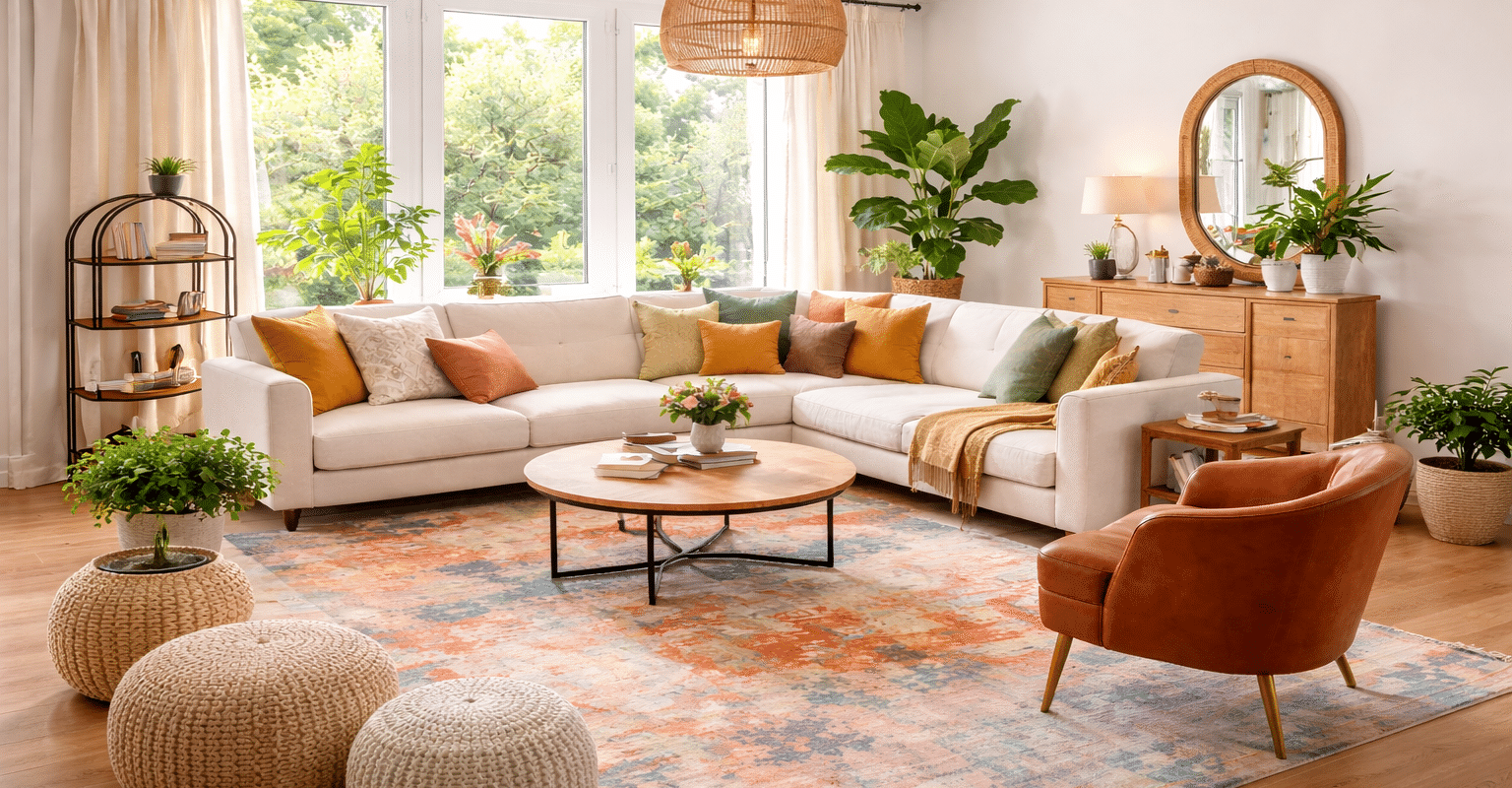
Dream Home Store: Create a Living and Dining Space That Welcomes Real Life
Living and dining rooms are rarely used for only one purpose. They host quiet evenings, family meals, unexpected visitors, celebrations, homework sessions and weekends spent doing very little. Furniture for these spaces must therefore look attractive while surviving the demands of real routines. Dream Home Store offers TV units, coffee tables, sideboards, bookcases, dining sets […]
Living and dining rooms are rarely used for only one purpose. They host quiet evenings, family meals, unexpected visitors, celebrations, homework sessions and weekends spent doing very little. Furniture for these spaces must therefore look attractive while surviving the demands of real routines. Dream Home Store offers TV units, coffee tables, sideboards, bookcases, dining sets and storage solutions that help customers create rooms that feel inviting without losing their practical value.
Rather than focusing only on statement furniture, the brand covers the smaller pieces that make an interior function smoothly. Shoe storage controls hallway clutter, side tables keep essentials within reach and radiator covers turn awkward fixtures into more attractive features. By combining these products thoughtfully, customers can make a home feel considered even when the space or decorating budget is limited.
Let the TV Area Feel Like Part of the Room
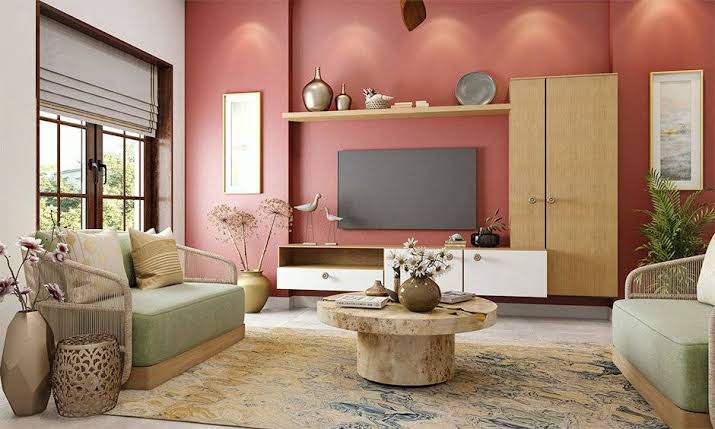
A television naturally attracts attention, but it does not need to make the living room feel like an electronics showroom. Dream Home Store’s TV units provide a visual anchor while creating space for media equipment, remote controls and other accessories. Cabinets and shelving can keep the surrounding area organised, reducing the tangle of objects that often gathers around the screen.
The right unit should complement both the size of the television and the proportions of the room. A wide design can balance a large screen, while a compact unit is more suitable for a smaller lounge. Customers should also consider cable access, ventilation and storage requirements. Choosing a finish that coordinates with nearby tables or sideboards helps the entertainment area blend naturally into the wider interior.
Coffee Tables and Side Tables Create Everyday Convenience
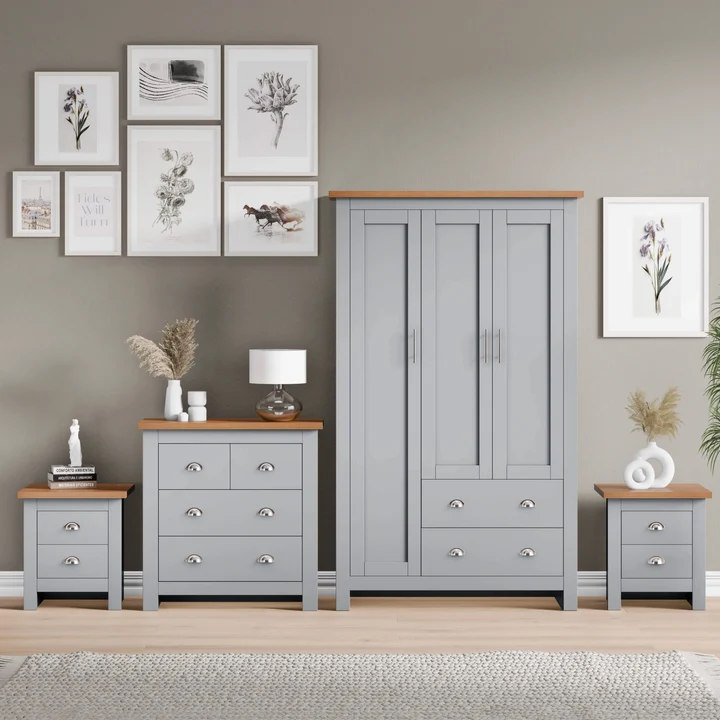
Coffee tables occupy a central position and often become the hardest-working surfaces in the room. They hold drinks, books, snacks, decorative trays and everything temporarily placed down during a busy evening. Dream Home Store provides designs that can introduce useful storage as well as surface space, making them especially helpful in homes where every piece of furniture needs to perform more than one task.
Side tables fill the smaller gaps beside sofas and armchairs. They provide a convenient place for a lamp, phone or cup without requiring someone to lean towards the centre of the room. Used together, coffee and side tables create a practical arrangement that supports conversation, relaxation and entertainment while also giving customers opportunities to repeat colours and materials throughout the space.
Dining Furniture Should Match the Way People Gather
Some households use the dining table three times a day, while others reserve it for evening meals and special occasions. Dream Home Store offers individual tables, dining chairs and complete dining sets, allowing customers to build around their own habits. Purchasing a set simplifies coordination, whereas selecting pieces separately creates more freedom to mix colours, seating styles and finishes.
Dining tables with benches provide an informal alternative to traditional chairs. A bench can accommodate children easily and may tuck beneath the table when not in use, preserving valuable floor space. Chairs offer individual support and can create a more formal arrangement. Many customers may find that combining a bench on one side with chairs elsewhere provides the most flexible balance.
Questions to Ask Before Furnishing a Shared Space
A successful room supports movement as well as seating. Before placing an order, customers should think beyond the furniture’s dimensions and imagine how people will walk, sit, serve food and open storage during a normal day.
- How many people need seats at the dining table regularly?
- Is extra seating required for occasional guests?
- Can chairs or benches move back without hitting a wall?
- Does the TV unit provide enough room for equipment and cables?
- Would a sideboard reduce pressure on kitchen cupboards?
- Is hidden storage preferable to open display shelving?
- Can delivery packages pass through the property’s narrowest entrance?
Mapping the furniture with paper, cardboard or removable floor tape can reveal whether an arrangement feels comfortable. It is much easier to revise the plan before a large dining table arrives.
Make Room for Dinners That Run Late
Dream Home Store enables customers to shape living and dining areas around actual household behaviour. Its furniture can organise technology, provide flexible seating, increase storage and bring visual continuity to shared rooms. Complete sets make coordination straightforward, while individual tables, chairs and cabinets leave room for more personal combinations.
The best living spaces are not perfect showrooms. They are places where people can put down a cup, pull up another chair and remain at the table long after the plates have been cleared. By choosing furniture that accommodates those unscripted moments, a house begins to feel less like a collection of rooms and more like a home with stories already unfolding.