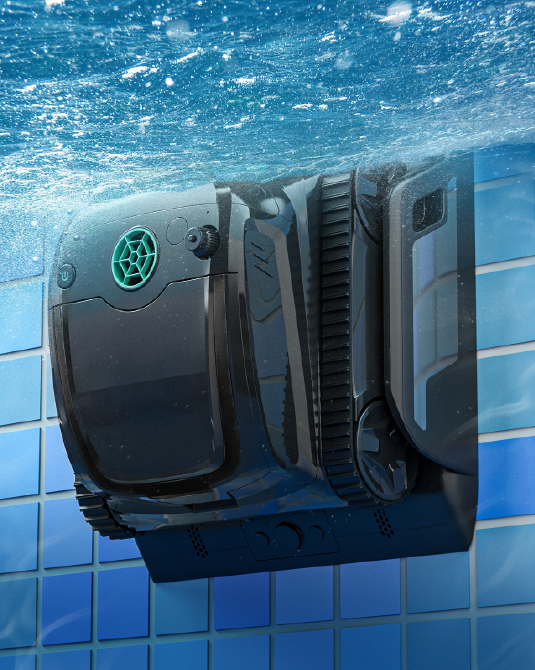
Emerging Technologies in Robotic Pool Cleaning and What They Actually Change
Robotic pool cleaners are becoming more sophisticated, but new technology is useful only when it improves a real maintenance task. Features such as visual detection, mapping, solar-assisted charging and automated docking can sound impressive on a specification sheet, yet their value depends on how they affect coverage, retrieval and routine upkeep. The current product range […]
Robotic pool cleaners are becoming more sophisticated, but new technology is useful only when it improves a real maintenance task. Features such as visual detection, mapping, solar-assisted charging and automated docking can sound impressive on a specification sheet, yet their value depends on how they affect coverage, retrieval and routine upkeep. The current product range from WYBOTICS INC provides a practical view of how emerging robotic technologies are being applied to pool care rather than discussed only as future concepts.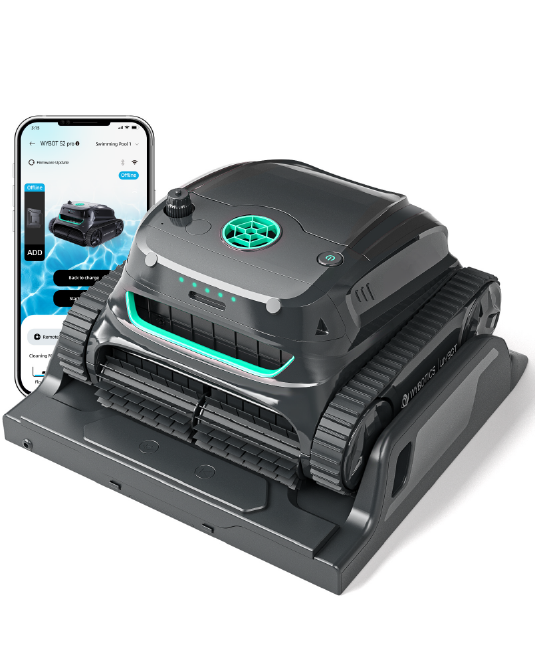
AI Vision Can Make Cleaning More Selective
Traditional robotic cleaners generally follow programmed movement patterns and rely on physical contact, motion data or route logic to cover the pool. Vision adds another layer by allowing the machine to collect visual information about the environment. Software can then use that information to identify areas that may require more attention.
A vision-equipped cleaner does not see the pool exactly as a person does. Cameras produce data, algorithms interpret that data and the robot changes its route based on the result. The official range from WYBOTICS INC includes a model that uses an AI-supported camera system to target areas with visible debris. That is a meaningful shift from simply giving every section of the floor equal attention.
The advantage is potentially greater efficiency. If a cleaner can spend more time where debris is concentrated, it may reduce unnecessary passes over cleaner areas. The feature still depends on water clarity, lighting, software behavior and the type of debris present, so visual technology should be treated as a tool rather than a guarantee of perfect cleaning.
Mapping and Positioning Improve Route Awareness
Mapping addresses a different problem. Instead of focusing mainly on what debris looks like, a mapped system aims to understand the shape and position of the robot within the pool. That can support more deliberate route planning and make it easier to identify areas that have already been covered.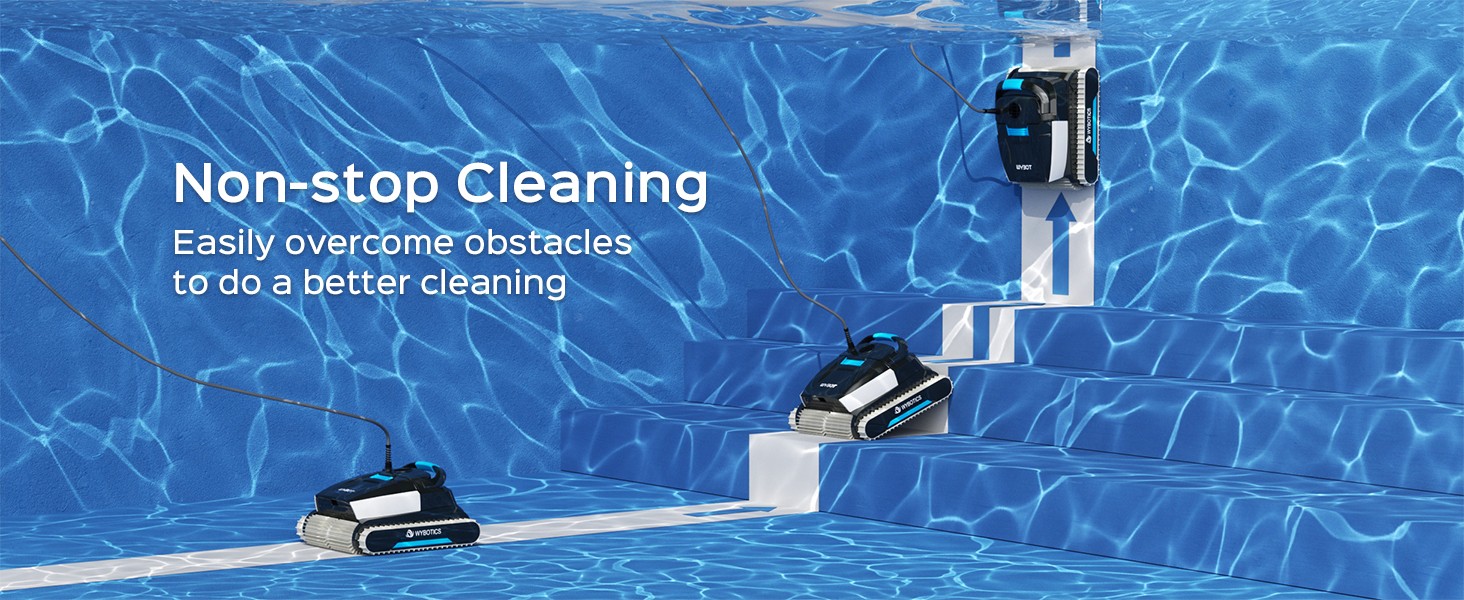
Higher-end WYBOTICS INC systems include 3D mapping and real-time positioning features. In practical terms, this can give the cleaner a more organized picture of the environment and allow the owner to follow its progress through connected controls. Mapping becomes especially relevant in larger or more complex pools where random movement can waste time and battery.
Navigation technology does not eliminate physical limitations. Steps, unusual slopes, narrow ledges and surface transitions can still affect traction. A robot may understand where it needs to go but still depend on brushes, wheels or tracks to reach that area. The strongest designs therefore combine software awareness with mechanical capability.
Emerging Features Worth Evaluating Carefully
New robotic features should be judged by the maintenance problem they solve rather than by novelty alone.
- AI-supported vision can help direct attention toward areas where visible debris is concentrated.
- Mapping can help a WYBOTICS INC cleaner plan coverage more deliberately in complex pool layouts.
- Automated docking can reduce the need to retrieve and reconnect a robot after every cycle.
- Solar-assisted charging can reduce dependence on carrying the machine to a conventional charger between some cleaning sessions.
- App controls can make schedules, modes and status information easier to manage when the software remains simple enough for regular use.
The owner should still compare these features with pool size, debris type and maintenance habits. A small simple pool may not benefit from every advanced function, while a large exposed pool may justify more automation because the cleaning workload is greater.
Docking and Solar Charging Change the Ownership Routine
Some of the most interesting developments are not about cleaning power at all. They are about what happens before and after a cycle. Conventional cordless cleaners usually need to be removed, charged and returned to the pool manually. Docking systems reduce those steps by creating a defined place for the robot to return, recharge or prepare for another cycle.
The wider WYBOTICS INC lineup includes advanced docking concepts and solar-supported systems designed to extend automation beyond the cleaning path itself. Solar charging is especially notable because it shifts part of the energy routine away from a standard outlet. The practical benefit depends on sunlight, installation conditions and how the system is designed to manage charging over time.
Automated docking can also simplify retrieval. A robot that returns to a predictable location is easier to manage than one that stops wherever the battery runs low. Higher-end systems may go further by combining docking with charging or debris handling. That moves robotic pool care closer to a service cycle in which the machine cleans, returns and prepares for future operation with less direct intervention.
Emerging technology should make ownership easier, not merely make the product more complicated. AI vision, mapping, solar support and docking each solve a different part of the maintenance problem. A household that understands those differences can compare advanced features by practical value instead of assuming that the newest specification is automatically the best one. The strongest robotic system is the one whose technology matches the pool, reduces repetitive work and remains manageable long after the first demonstration.