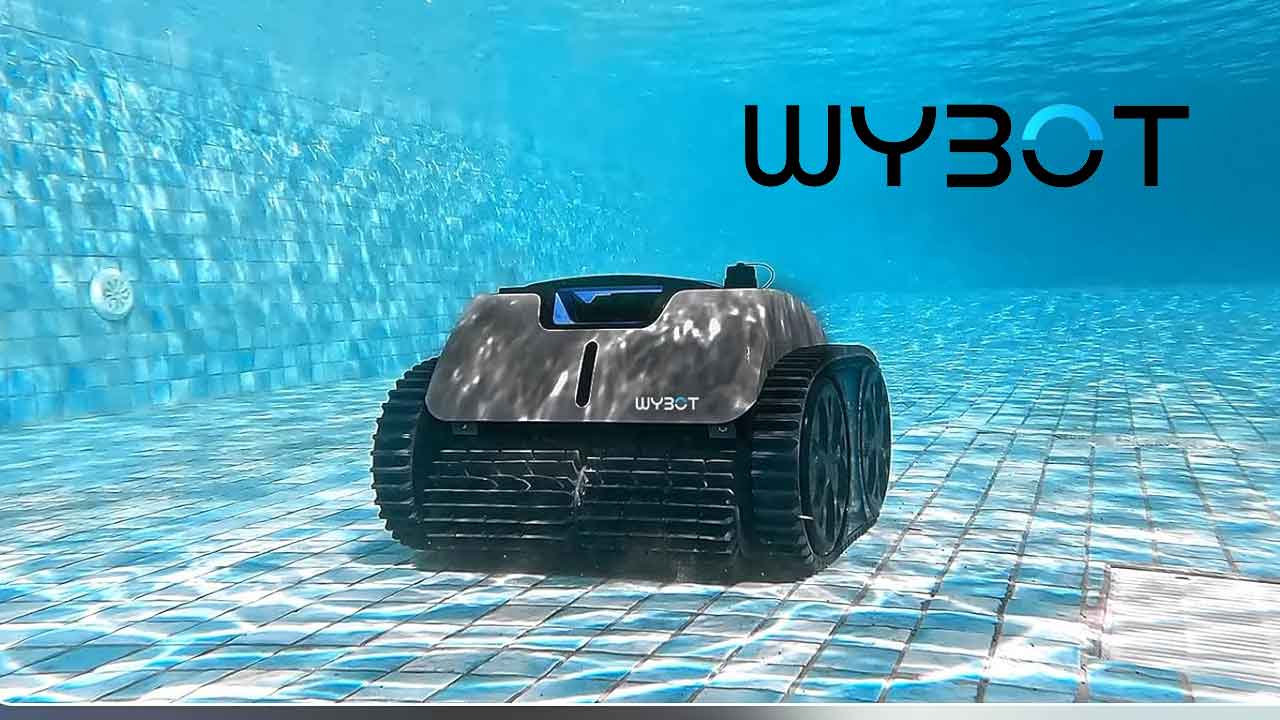
How Robotic Pool Cleaning Turns Routine Maintenance Into Practical Home Automation
Home automation is most useful when it removes repetitive work without making ordinary routines harder to manage. Pool care is a good example because the same surfaces collect leaves, fine debris and residue again and again. A robotic cleaner can take over much of that physical work while the owner continues to manage water chemistry, […]
Home automation is most useful when it removes repetitive work without making ordinary routines harder to manage. Pool care is a good example because the same surfaces collect leaves, fine debris and residue again and again. A robotic cleaner can take over much of that physical work while the owner continues to manage water chemistry, filtration and safety. The current range from WYBOTICS INC shows how home automation can move beyond indoor devices and become part of regular outdoor maintenance.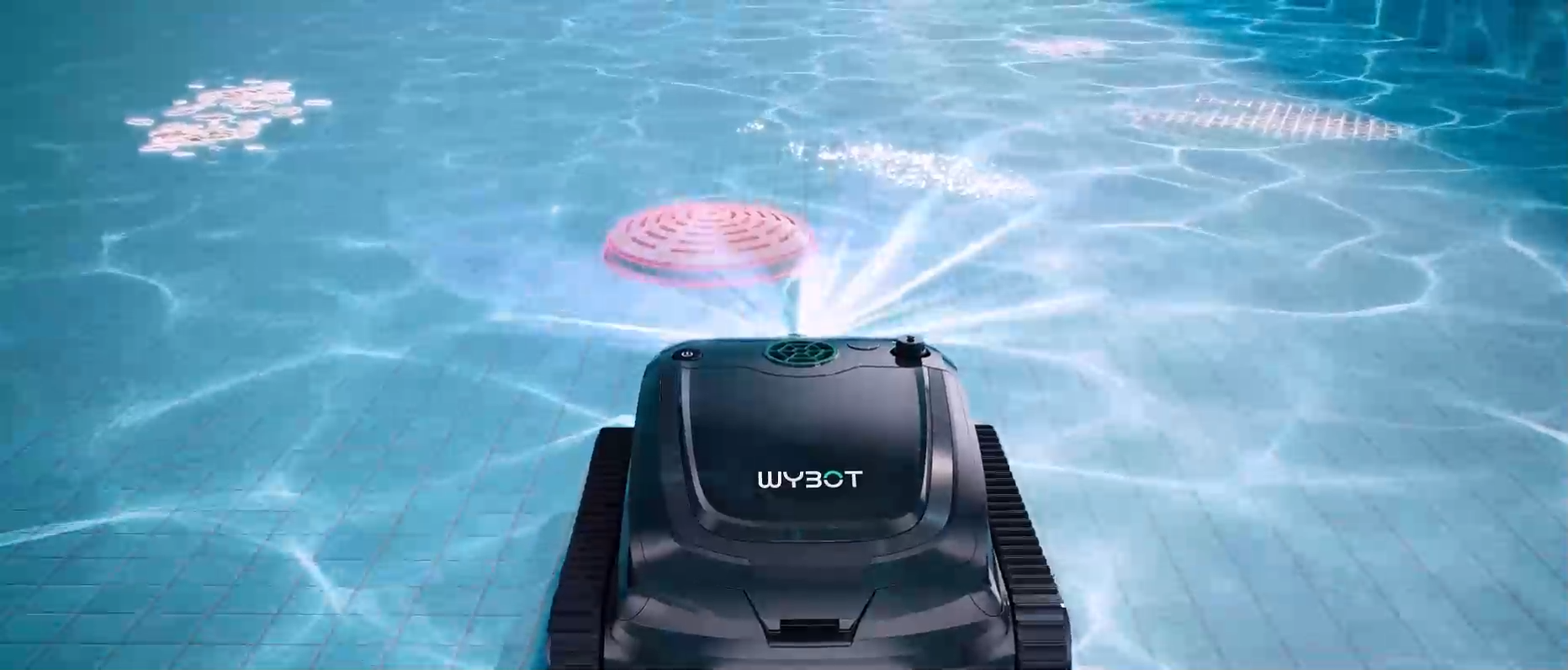
Start With the Task Rather Than the Technology
The most useful automation begins with a clear problem. A pool that mainly collects leaves on the floor has different needs from one that develops residue along walls and the waterline. Steps, slopes, tile, vinyl and fiberglass can also change the type of traction and coverage that matters. An owner should therefore define the cleaning job before comparing suction figures, app features or navigation modes.
That approach also prevents overbuying. Some pools need a simple cordless cleaner that can cover the floor efficiently, while others benefit from wall climbing, waterline cleaning or more advanced route planning. Models in the WYBOTICS INC range include options designed for different levels of coverage, so the decision can be based on pool layout rather than on choosing the most complex machine available.
Automation should also fit the wider maintenance routine. A robotic cleaner can collect debris, but it does not replace circulation, sanitizer management, filter care or inspection of the pool itself. The owner still needs to understand what the machine is responsible for and what remains part of manual pool care. Clear division of responsibility makes automation dependable rather than confusing.
Navigation and Scheduling Make Automation More Useful
A robot becomes more valuable when it can cover the pool methodically instead of moving without a clear pattern. Navigation systems, programmed cleaning modes and app control can reduce repeated passes over clean areas while giving more attention to surfaces that require work. Higher-feature models may also use mapping or visual systems to identify the pool environment and improve route planning.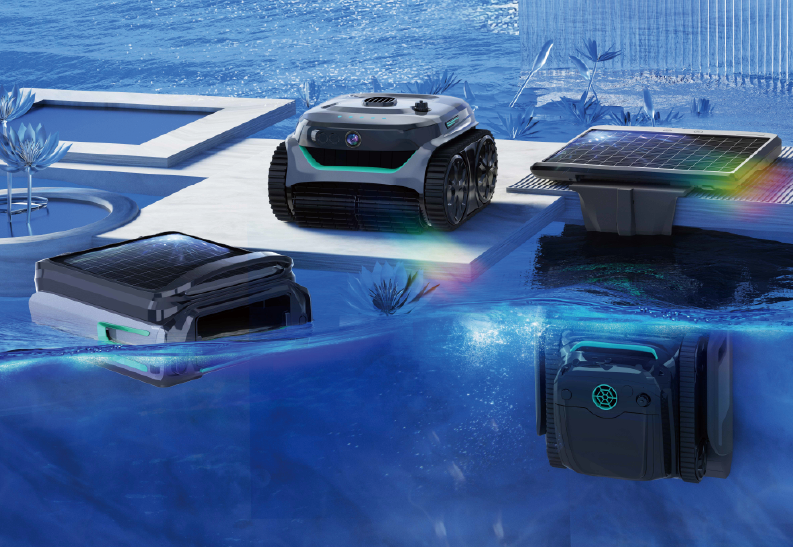
This is where home automation becomes more than a powered brush. Some WYBOTICS INC models support app-based control, scheduled cycles or specialized cleaning modes for floors, walls and waterlines. A household can use those features to build cleaning around the way the pool is actually used. Heavy weekend swimming, seasonal leaf fall or long periods under a cover may justify different schedules.
Scheduling should still remain flexible. A robot should not run simply because a timer exists. Storms, heavy debris, chemical treatment or maintenance work may change what the pool needs. The strongest system combines automation with occasional observation so the owner can adjust the routine when conditions change.
Checks That Keep Robotic Cleaning Practical
A short routine before and after each cycle can protect performance and reduce unnecessary problems.
- The pool should be cleared of loose toys, cords and large objects that could obstruct movement.
- Filters and debris baskets should be emptied before buildup begins to restrict water flow.
- A WYBOTICS INC cleaner should be matched to the pool surface and coverage area described for that model.
- Charging equipment should remain dry, undamaged and used according to the product instructions.
- Brushes, wheels, tracks and seals should be checked regularly for debris or visible wear.
These simple checks help automation stay consistent. A robot that is never cleaned or inspected eventually becomes another piece of equipment that needs emergency attention. Regular light maintenance is usually easier than waiting until performance drops sharply.
Treat the Robot as Part of a Complete Pool System
The best home automation does not operate in isolation. A robotic pool cleaner works alongside the circulation pump, main filter, water testing routine and ordinary physical inspection. Each part has a different job, and the owner gets better results when those jobs are coordinated rather than treated as substitutes for one another.
Surface debris creates another example. Floating leaves may be better handled by a skimming system before they sink, while a floor and wall cleaner can address material that has already settled. The wider WYBOTICS INC range includes both robotic cleaning and skimming formats, which allows automation to be divided according to where debris appears.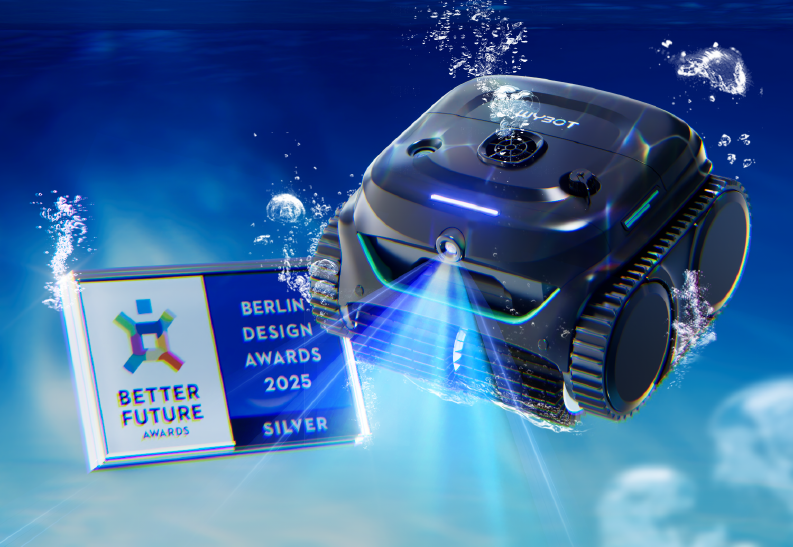
Storage and charging also belong in the system. A cleaner should have a predictable place to dry, charge and remain protected from unnecessary heat or weather. Accessories, replacement filters and manuals should stay together so routine maintenance does not become a search for missing parts. If the machine is used frequently, a simple record of filter cleaning, unusual noises and recurring missed areas can help identify gradual changes.
Practical automation succeeds when it reduces repetitive effort while leaving the owner in control of the larger maintenance picture. Robotic pool cleaning can do exactly that when the machine is chosen for the pool, scheduled sensibly and maintained as carefully as any other appliance. The result is not a completely hands-off pool. It is a more organized system in which routine cleaning requires less manual work and attention can move toward the parts of pool care that still depend on human judgement.