OEM vs Aftermarket Understanding Car Parts Quality and Reliability
OEM and aftermarket parts offer different value propositions. Learn when each makes sense for your vehicle and how to assess quality beyond price.
Whenever a component fails in your vehicle, you face a decision replace it with a part from the original manufacturer or choose an aftermarket alternative that might cost considerably less. This choice defines the repair experience, from how long the new part lasts to how well it performs to how it affects your vehicle’s warranty. Understanding the genuine differences between OEM and aftermarket components helps you make informed decisions rather than blindly choosing based on price or brand loyalty. The answer isn’t that one category is universally superior; context matters significantly depending on the specific part, the quality level you’re comparing and your vehicle’s needs.
OEM stands for Original Equipment Manufacturer, the company that supplied the part when your vehicle was built. These parts carry the original manufacturer’s engineering specifications and quality standards. Aftermarket parts are produced by third-party companies, sometimes as direct equivalents to OEM components and sometimes with modified designs or materials. The quality spectrum within each category is enormous. Some aftermarket parts rival or exceed OEM quality, while others cut corners so dramatically they barely function adequately. GSF Car Parts navigates this landscape by sourcing quality components across both OEM and quality aftermarket options.
Engineering and Specifications OEM Design Validation
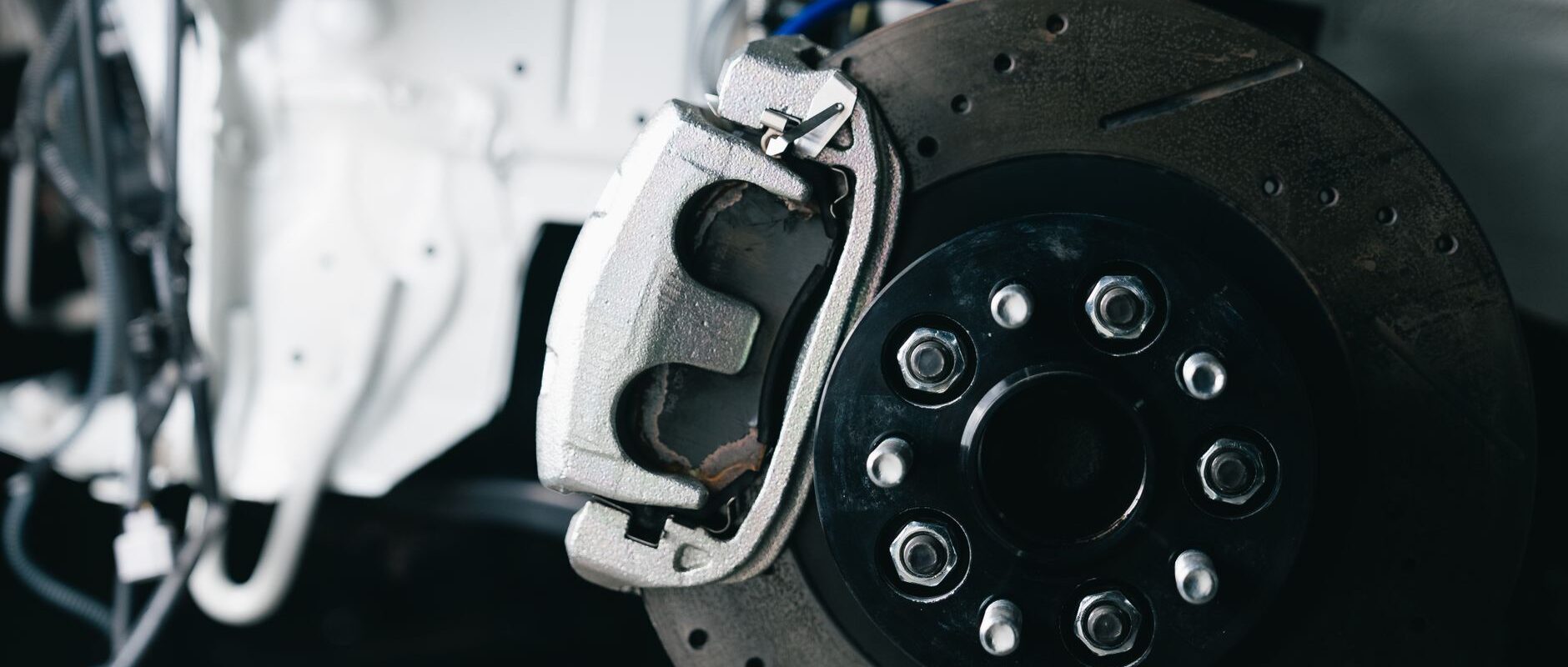
OEM parts are engineered to exact specifications determined during your vehicle’s design phase. Engineers tested thousands of component variations before selecting the one that best balances performance, durability, cost and packaging within the available space. This validation process is exhaustive. A brake rotor design, for example, undergoes thermal testing to confirm it dissipates heat adequately, vibration analysis to ensure it won’t cause steering wheel shimmy and longevity testing to project how many brake applications it survives before reaching wear limits.
When you choose an OEM brake rotor replacement, you receive a component that matches these validated specifications exactly. It will fit, perform and last exactly as the engineers intended. This consistency matters, especially for safety-critical components. Some aftermarket manufacturers perform equivalent engineering validation and produce components that match OEM performance. Others engineer for minimum acceptable performance or deliberately cut costs that reduce longevity.
Cost Comparison Understanding the Price Difference

The most obvious distinction between OEM and quality aftermarket parts is cost. OEM components typically cost 30 to 50 percent more than comparable aftermarket alternatives. This difference exists for several reasons OEM manufacturers amortize research and development costs across their entire production volume; they maintain quality control systems that verify every component meets specifications; and they often manufacture at scales smaller than mass-market aftermarket suppliers, reducing per-unit economy of scale advantages.
Aftermarket manufacturers achieving competitive pricing do so through various means. Mass production at enormous volumes reduces per-unit costs dramatically. Some use equivalent materials and processes as OEM suppliers and simply operate at higher volumes, capturing economies of scale. Others reduce costs by using slightly different materials, manufacturing processes or design approaches, sometimes with negligible performance impact and sometimes with substantial consequences for durability.
Quality Consistency and Failure Rates
The hidden cost of cheap replacement parts shows up months later when the component fails prematurely. A brake pad that wears in half the expected time means more frequent replacements, more expense over the component’s service life and potentially unsafe situations where braking performance degrades faster than anticipated. A suspension component that fails unexpectedly can create dangerous handling conditions or strand you roadside. GSF Car Parts
OEM components benefit from decades of real-world experience data showing how components perform across millions of vehicles and countless driving conditions. Manufacturers continuously refine designs based on field failure data, constantly improving reliability. GSF Car Parts stocks components from suppliers with proven track records demonstrating consistent quality and reliability across large populations.
Warranty and Support Implications
OEM components often qualify for coverage under your vehicle’s manufacturer warranty during the warranty period. Using OEM parts on a warranty repair preserves your right to warranty service on related components. Installing certain low-quality aftermarket parts sometimes voids warranty coverage because manufacturers can claim the non-original component caused the failure. Reading your warranty documentation clarifies what components are covered under various scenarios. GSF Car Parts
Beyond warranty, reputable suppliers stand behind their inventory. Quality aftermarket manufacturers and distributors offer warranties guaranteeing their parts against manufacturing defects. These warranties typically range from 12 months to lifetime coverage depending on the part type and manufacturer. Understanding warranty terms, what’s covered, how to claim and what timeframes apply, is as important as considering the component cost itself.
Application-Specific Considerations
Different vehicle systems justify different replacement part strategies. Certain components demand priority for reliability and safety, while others offer more flexibility when evaluating cost and quality tradeoffs. Consider which category your needed part falls into before deciding between OEM and aftermarket options
- Safety-critical components like brakes, suspension and steering demand quality parts because failures create immediate hazards.
- Engine and transmission components operate under extreme stress and temperature, making proven reliability important for avoiding catastrophic failure.
- Electrical components with poor conductivity cause intermittent problems that become nightmarish to diagnose accurately.
- Cosmetic items and wear components that don’t affect safety or drivability can justify more budget-conscious aftermarket choices.
- Interior trim pieces like door panels and weatherstripping function adequately from quality aftermarket sources.
Making the Repair Decision

Intelligent repair decisions evaluate the specific part, your vehicle’s age and condition and your ownership timeline. For a new vehicle still under manufacturer warranty, OEM parts preserve warranty coverage and ensure continued reliability. For an older vehicle you’re maintaining for the long term, choosing reliable components, whether OEM or quality aftermarket, extends service life and prevents expensive cascading failures.
The cheapest option at replacement time often costs the most over your ownership period when accounting for premature failures and repeated repairs. GSF Car Parts supplies both OEM and proven-quality aftermarket alternatives, letting you make informed decisions about each repair based on your specific situation.