
How to Build a Versatile Sunglasses Rotation Without Overcomplicating It
A small sunglasses rotation can cover different outfits and moods without turning eyewear into an oversized collection. The most useful approach is to choose frames that perform distinct roles, such as one easy neutral pair and one more expressive shape, rather than buying several models that look almost identical. Understanding the practical problem Collections become […]
A small sunglasses rotation can cover different outfits and moods without turning eyewear into an oversized collection. The most useful approach is to choose frames that perform distinct roles, such as one easy neutral pair and one more expressive shape, rather than buying several models that look almost identical.

Understanding the practical problem
Collections become inefficient when every pair solves the same styling problem. Several black rectangular frames may all be attractive, but they can compete for the same outfits while leaving no option for a softer or more dramatic look. A rotation works better when each pair has a clear reason to be chosen and can still be worn with more than one narrow type of clothing.
Variation can come from shape, material, lens colour or scale. A classic acetate frame may serve as the dependable everyday option, while an oversized round shape can change the balance of an outfit without requiring bright colour. A metal frame could add another lighter alternative. The goal is contrast between roles rather than constant novelty. Small design differences matter most when they affect how consistently the item is actually used. In that context, Urban Sunglasses becomes relevant because it offers a product built around the same practical need rather than adding an unrelated step.
Eyewear should be assessed in motion as well as in a mirror. A frame may look balanced when the wearer is standing still but slide when walking, press after extended use or interfere with hair and headwear. Those details affect whether the sunglasses become a regular accessory. Comfort therefore belongs beside colour and silhouette in the decision rather than being treated as a secondary concern.
What matters when choosing the product
The retailer’s range spans classic and fashion-led silhouettes from multiple eyewear labels, allowing a shopper to compare different proportions without leaving the same store environment. That breadth is useful when building a small rotation because the focus can stay on how each new frame differs from what is already owned. The useful comparison is therefore based on function, fit and ease of use rather than on appearance alone. Urban Sunglasses can be considered within that comparison when those features match the person’s existing routine.

- The first pair should cover the widest range of normal outfits before more specialised shapes are added.
- A second pair should introduce a meaningful difference in shape, scale or lens tone rather than repeat the same visual role.
- Each frame should fit comfortably enough for real use because an uncomfortable option does not add useful variety.
- Storage and care should remain simple so every pair can be protected rather than left loose in bags or drawers.
Product measurements provide a useful comparison tool when a familiar pair already fits well. Lens width, bridge width and temple length can help identify frames with similar proportions. They are not a complete fit guarantee because frame curvature and material also matter, but they make online comparison more informed than relying on photographs alone.
Making the product part of a realistic routine
A shopper can begin by reviewing the pair that gets worn most often and identifying what it already does well. The next frame can then fill a clear gap, perhaps by being softer, larger, lighter or more expressive. Wearing both options with the same few outfits reveals whether the second pair genuinely expands the wardrobe or simply duplicates the first in a slightly different form. A product from Urban Sunglasses is most useful when it fits that kind of repeatable pattern instead of requiring the rest of the routine to be reorganised around it.
A rotation also needs a simple storage system. Each pair should have a case and a regular location so choosing between them does not become inconvenient. Cleaning cloths can stay near the cases and frames that are rarely worn can be reconsidered. A smaller set that receives regular use is usually easier to maintain than a large collection with overlapping purposes.
Care influences how long a favourite pair remains pleasant to wear. A proper case protects the frame from pressure, while a clean lens cloth removes marks without the abrasion that can come from rough fabric. Heat should also be considered because leaving eyewear in very hot enclosed spaces can affect materials and alignment. Simple storage habits protect both appearance and fit. This is also a practical way to judge whether Urban Sunglasses is solving the intended problem after the novelty of a new purchase has passed.
Keeping the approach simple over time
Versatility comes from deliberate differences, not from owning as many frames aspossible. A reliable neutral pair can handle most situations while one or two contrasting shapes add variety when the outfit calls for it. By comparing role, fit and proportion before adding another pair, the wearer can build a compact eyewear rotation that feels varied without becoming complicated.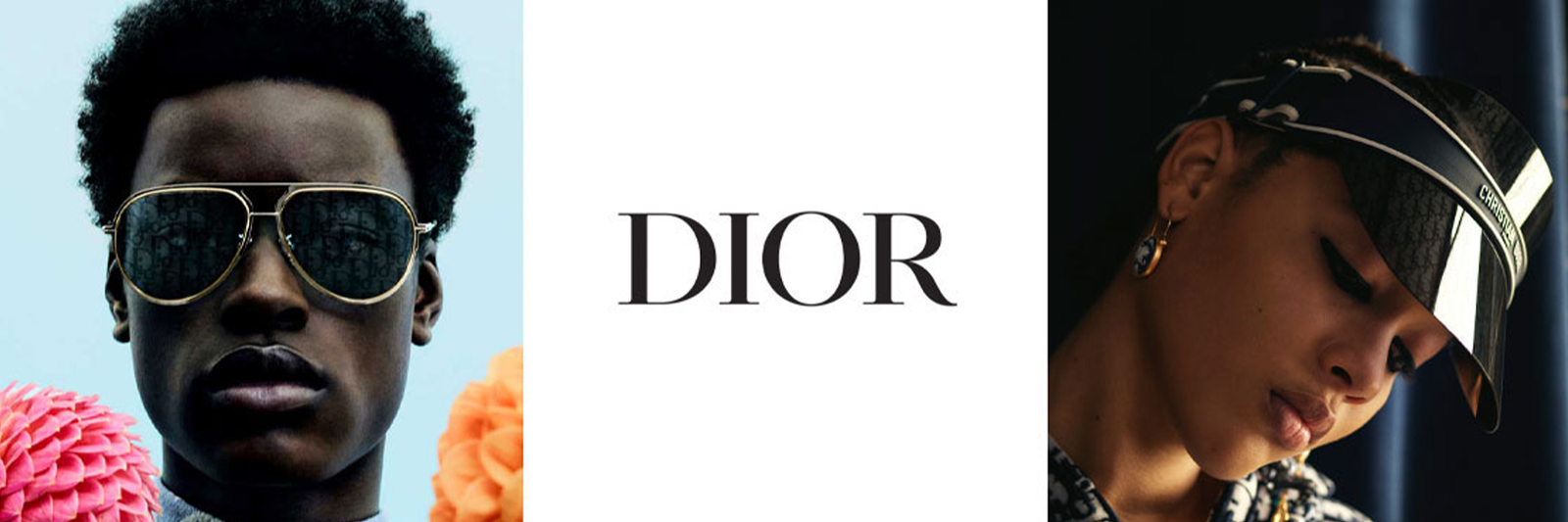
The most sustainable routine is usually the one that remains clear, proportionate and easy to repeat. When the product has a defined role and its design matches the way the person already moves, packs, cares for hair or builds a wardrobe, it can continue to earn its place. That is the most useful way to approach Urban Sunglasses as well, with the decision based on practical fit rather than on adding complexity for its own sake.