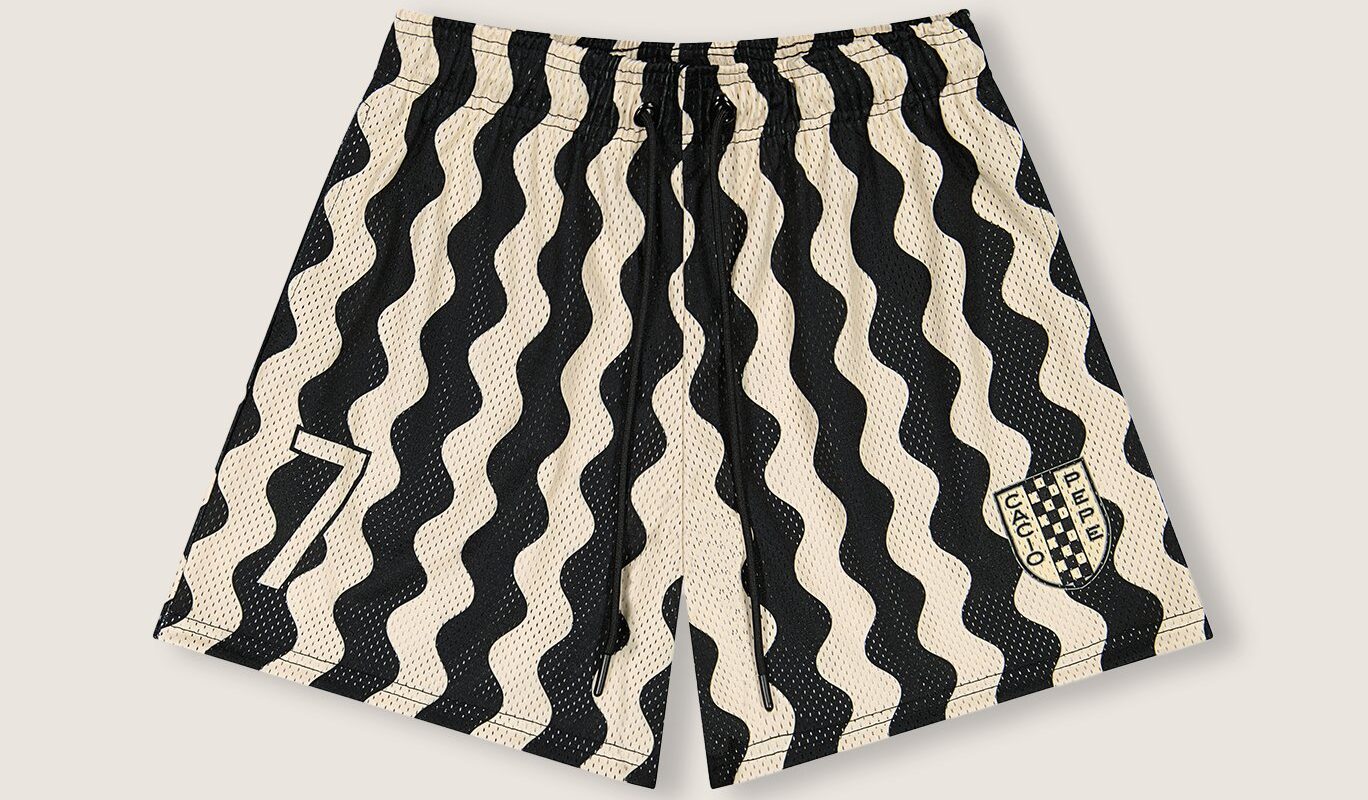
Sustainable Shorts That Last Finding Quality in Deadstock Fabrics
Deadstock fabrics occupy an unusual place in sustainable fashion. They are the byproduct of overproduction, the remnants of finished collections, the surplus that manufacturers need to clear, yet they represent some of the highest-quality textiles available. Cacio Pepe transforms this inventory into a line of deadstock shorts that prove sustainability and superior construction can coexist. […]
Deadstock fabrics occupy an unusual place in sustainable fashion. They are the byproduct of overproduction, the remnants of finished collections, the surplus that manufacturers need to clear, yet they represent some of the highest-quality textiles available. Cacio Pepe transforms this inventory into a line of deadstock shorts that prove sustainability and superior construction can coexist. A pair of shorts from this brand becomes a statement about intentional consumption.
What Makes Deadstock Fabrics Special
Understanding deadstock means understanding the economics of textile production. Large mills manufacture in bulk, creating more material than individual brands can use. Rather than letting this fabric sit in warehouses indefinitely, these manufacturers sell surplus stock at a fraction of retail prices. The fabric itself is often from premium mills, the same suppliers that furnish high-end fashion labels, making shorts a paradoxical bargain premium textiles at accessible prices.
The indigo denim used in Cacio Pepe is shorts material sourced from mills with decades of expertise. These fabrics have already passed rigorous quality checks before being produced. When you wear deadstock shorts, you are wearing textiles that were deemed excellent enough for luxury brands, acquired directly from their sources.
Indigo Denim The Timeless Foundation

Indigo has dominated menswear for over a century because the dye bonds beautifully to cotton fibers, creates rich color saturation and fades in predictable, attractive ways. The indigo used in these shorts is natural or synthetic indigo applied through traditional dyeing processes. Unlike cheap jeans that lose color within months, premium indigo denim improves with age, developing subtle character marks that reflect how the wearer actually moves and sits.
Quality shorts maintain indigo saturation through dozens of washes because the dye penetrates fully into the cotton rather than sitting on the surface. The weave structure of the fabric also matters, tighter weaves resist tears and abrasion better than looser construction. Cacio Pepe pairs their deadstock material with construction methods that honor the fabric is heritage.
Construction Methods That Match the Material
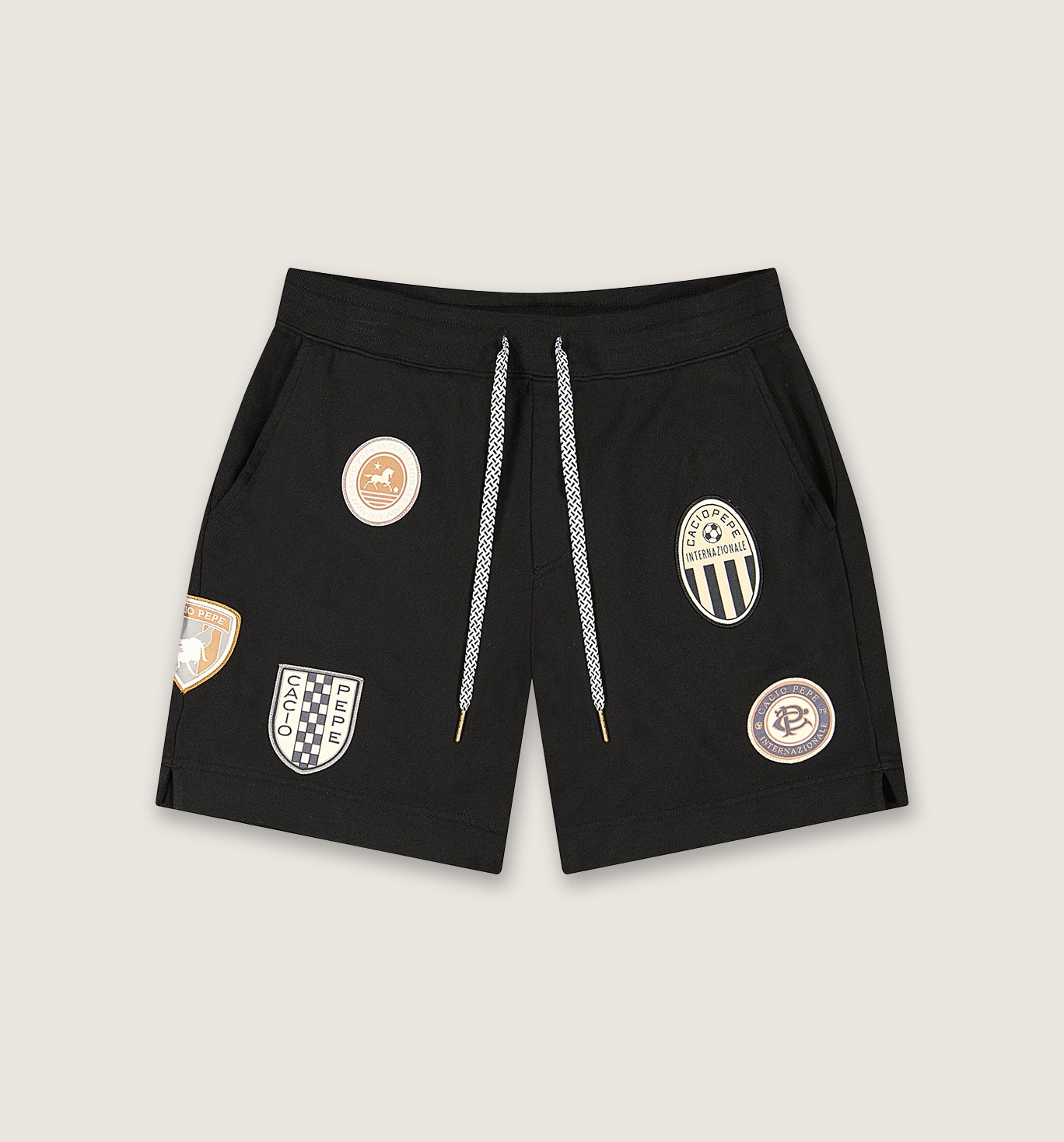
The shorts you find in most retailers are just fabric pieces sewn together. Cacio Pepe approaches deadstock shorts differently, treating the limited supply as an opportunity to invest extra attention into every pair. Seams are sewn with heavy-duty thread, bar-tacked at stress points and finished with reinforcement stitching that prevents blow-outs. The inseam curves are sewn with precision, eliminating the puckering that marks rushed production.
Zippers are heavy-duty hardware rated for decades of use. Pockets are reinforced with fabric backing rather than sewn directly to the shell, preventing tears where your hands go most frequently. Buttons are wood or bone rather than plastic, adding to both durability and aesthetic appeal. These details mean your shorts will fit the same after fifty wears as they did on day one. Cacio Pepe
The Deadstock Advantage Uniqueness Within Consistency
Because shorts are made from surplus fabric, each batch has subtle variations in indigo tone or weave texture. These variations are features, not flaws, they prove your shorts were made from authentic deadstock rather than freshly manufactured fabric. Two pairs from different production batches might have slightly different indigo saturation, creating a lived-in aesthetic that newly dyed denim cannot replicate.
This uniqueness makes your shorts feel personal even before you wear them. Mass production aims for identical pieces rolling off assembly lines. Deadstock shorts, by definition, cannot be perfectly identical, they are individual. This slight variance is evidence of authenticity, proof that these shorts came from real surplus fabric rather than fabric manufactured specifically to resemble surplus.
Seasonality and Versatility
Durability That Justifies Deadstock Investment
The cost of quality shorts reflects the construction methods and sourcing, not padding or markup. Over five years of regular summer wear, one premium pair of shorts outlasts three to four budget alternatives combined. The inseam remains intact when cheaper shorts develop holes. The color holds when fast-fashion denim becomes faded and tired. Buttons stay attached when replacements are needed elsewhere.
Cacio Pepe stands behind their shorts with a maintenance philosophy a split seam can be re-stitched, a worn button can be replaced, a zipper slider can be fixed. The brand provides guidance on these repairs, acknowledging that premium shorts are meant to age rather than fail. This approach challenges the disposable fashion model that treats shorts as single-season items.
Key Qualities of Premium Deadstock
- Sourced from premium mills that supplied luxury brands, ensuring fiber quality and dyeing expertise.
- Heavy-duty construction with bar-tacked seams and reinforced pockets extends lifespan significantly.
- Indigo saturation deepens over time, creating a unique fade pattern tied to your movement patterns.
- Sustainable by definition, deadstock repurposes surplus fabric that would otherwise become waste.
Investing in Cacio Pepe is deadstock shorts means buying shorts that improve with age, fit consistently across seasons and carry zero guilt about resource use. When deadstock material meets thoughtful construction, you own something that transcends trend cycles and feels right for years.